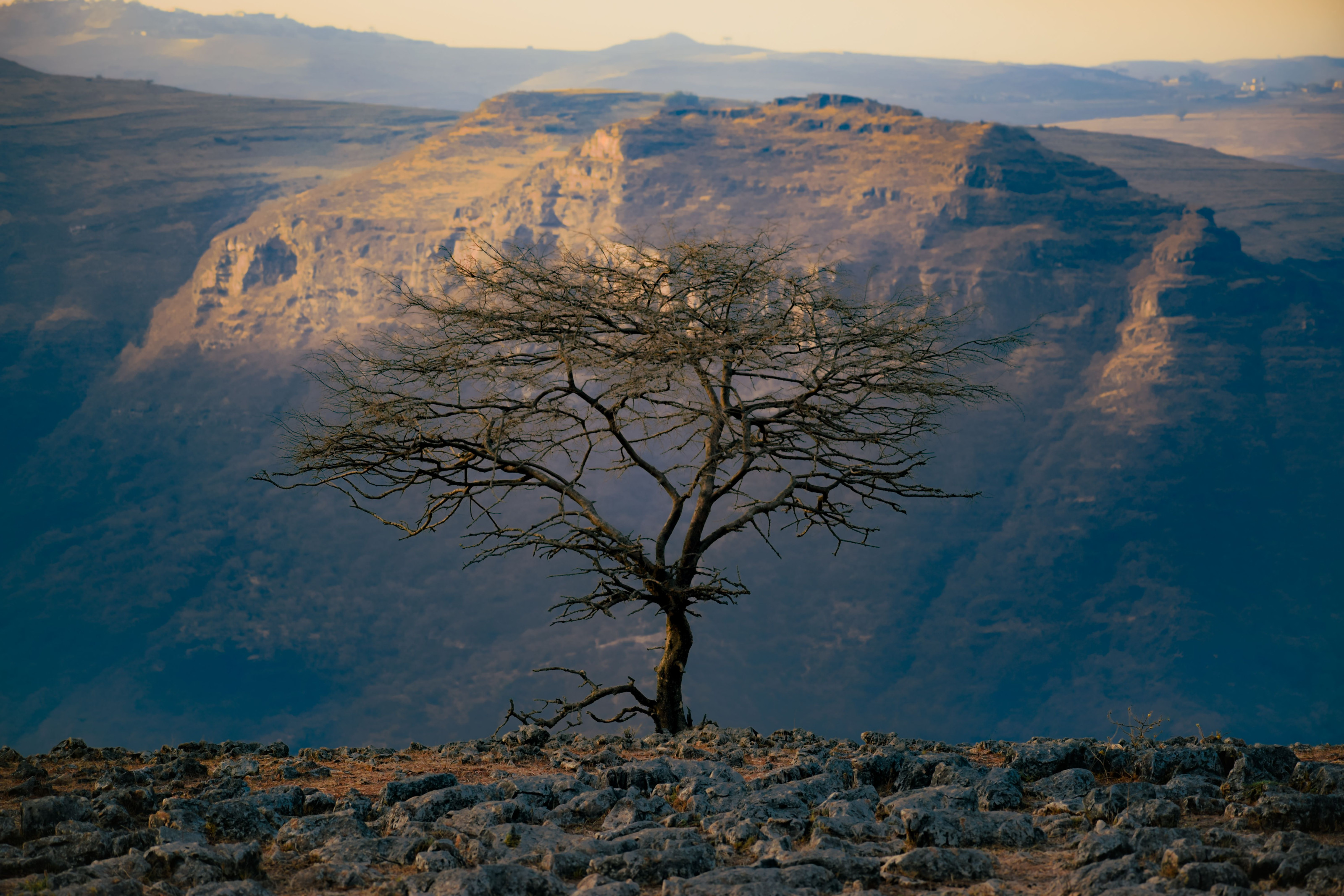
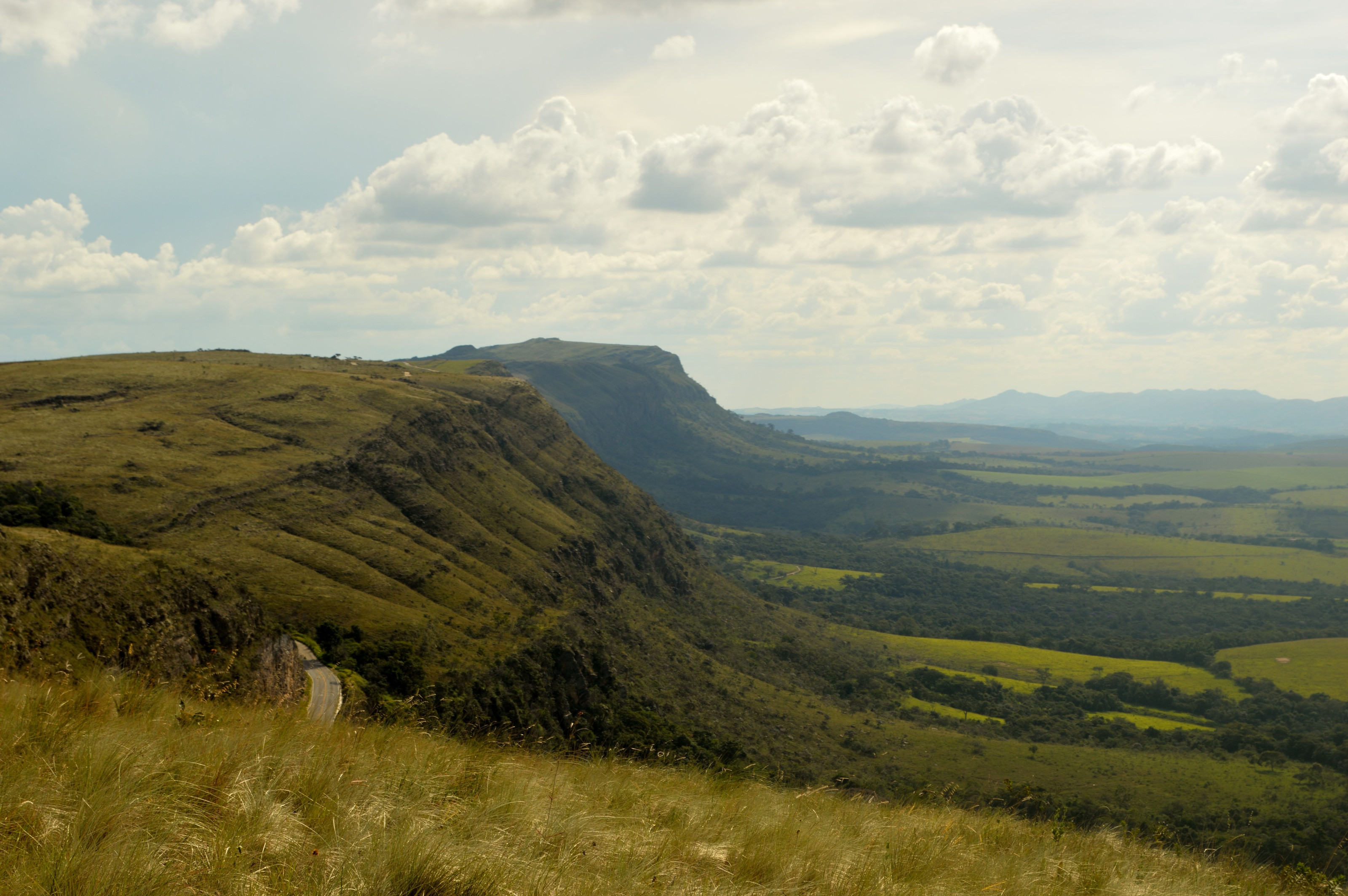
The Simien Mountains are what’s left after millions of years of erosion carved a basalt plateau into a landscape of pinnacles, jagged ridges and sheer escarpments dropping away into the lowlands below. It was one of the first sites anywhere to receive UNESCO World Heritage status, listed in 1978, recognition of both the geology and the wildlife that depends on it.
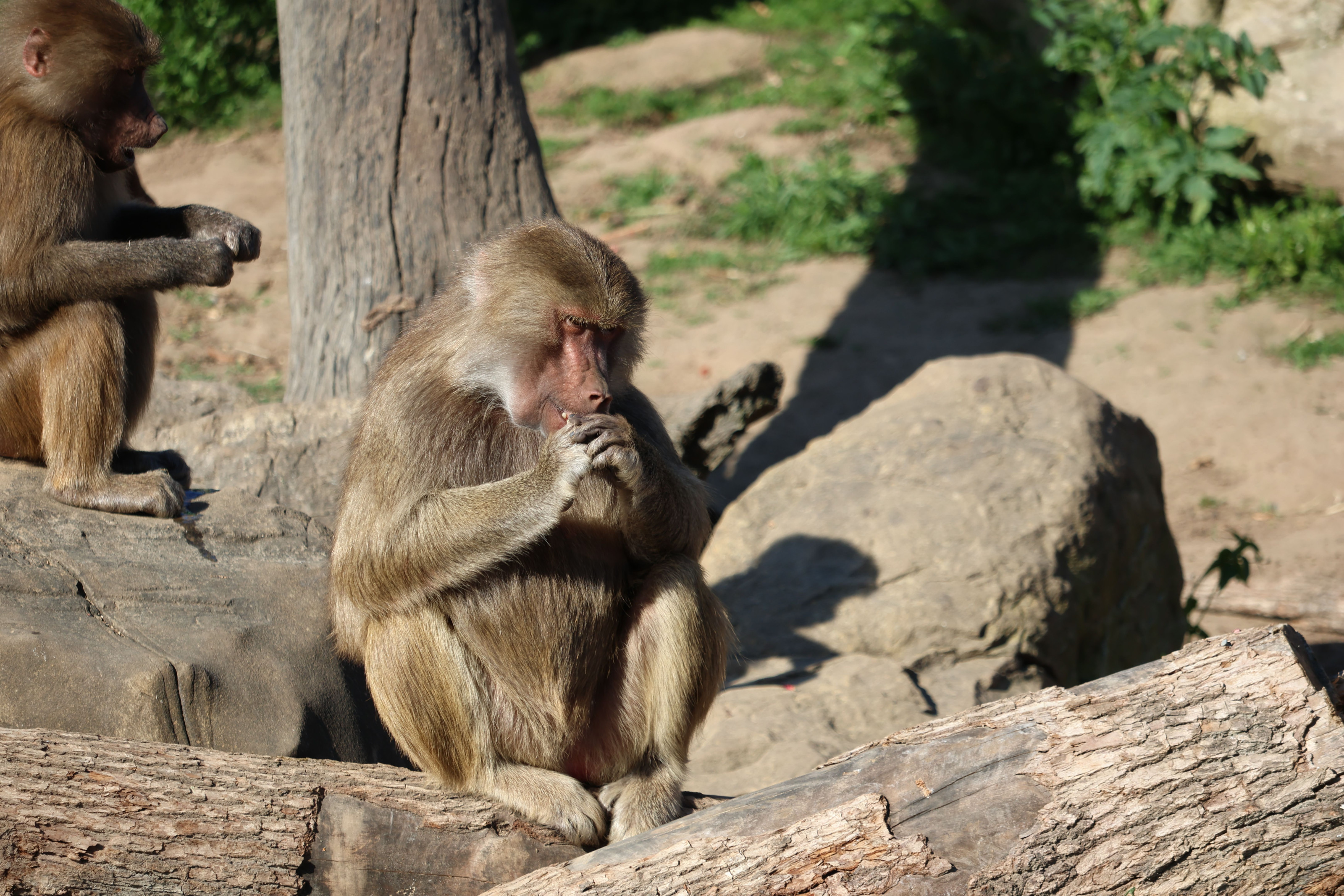
Gelada baboons are the park’s signature species and its easiest wildlife encounter: found only in the Ethiopian highlands, they graze in herds that can run into the hundreds, largely unbothered by trekkers walking directly through the group. The Walia ibex, a wild goat found nowhere else on Earth, is harder to find but present on the steeper cliff faces, and Ethiopian wolves occasionally range through the park’s higher reaches, though sightings here are less reliable than in Bale further south.
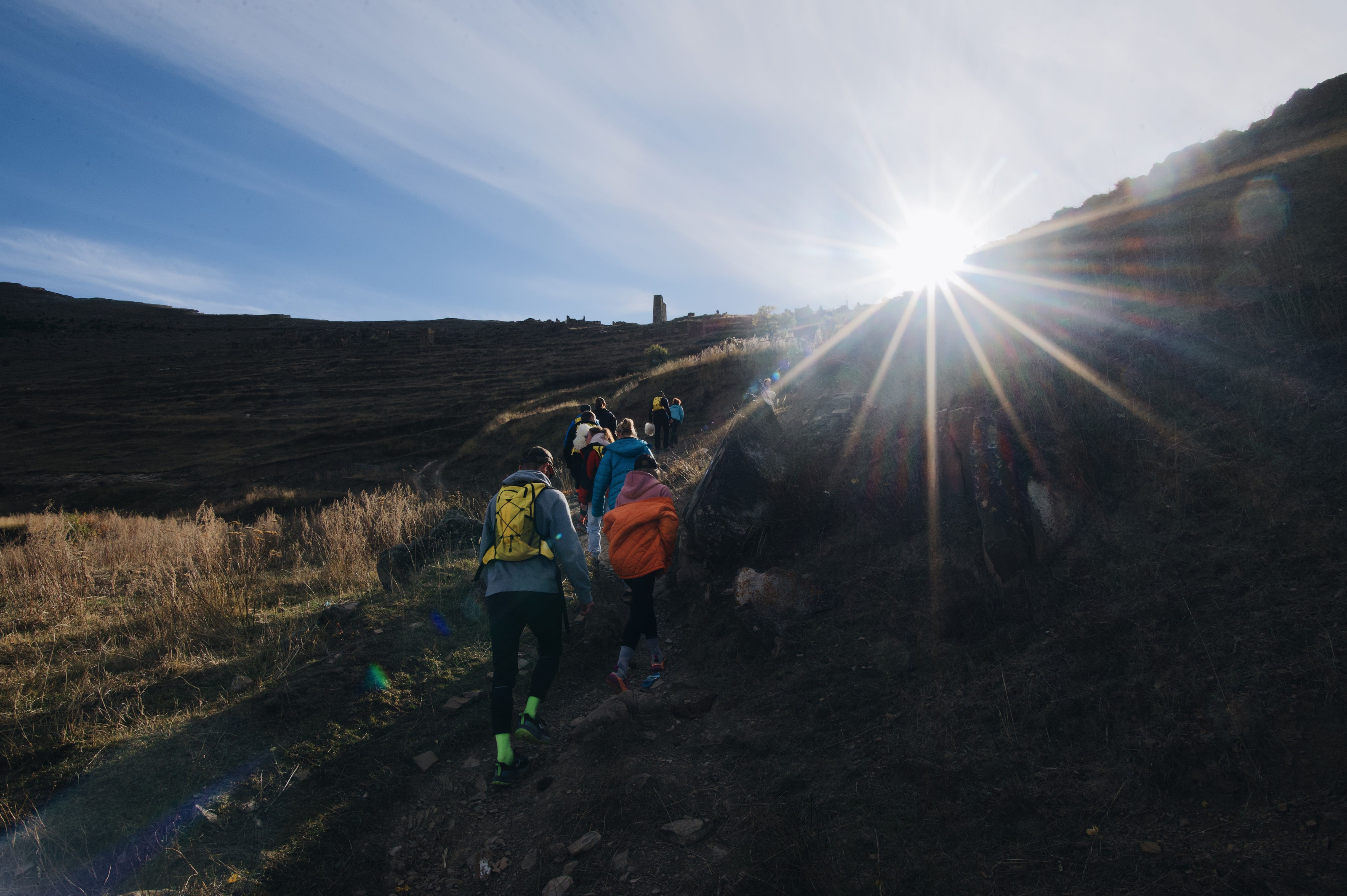
Ras Dashen, Ethiopia’s highest peak at around 4,550 metres, anchors multi-day trekking routes through the park, typically run with a support team of mules, cooks and an armed scout, a longstanding local practice rather than an indication of present danger. Shorter one- to three-day treks along the escarpment cover the classic viewpoints without the full summit commitment.
Three to five days is a realistic range depending on whether Ras Dashen itself is the goal, with the park reached by road from Gondar, the historic city that serves as the standard access point.
Official visitor information for Ethiopia is published on Visit Ethiopia.