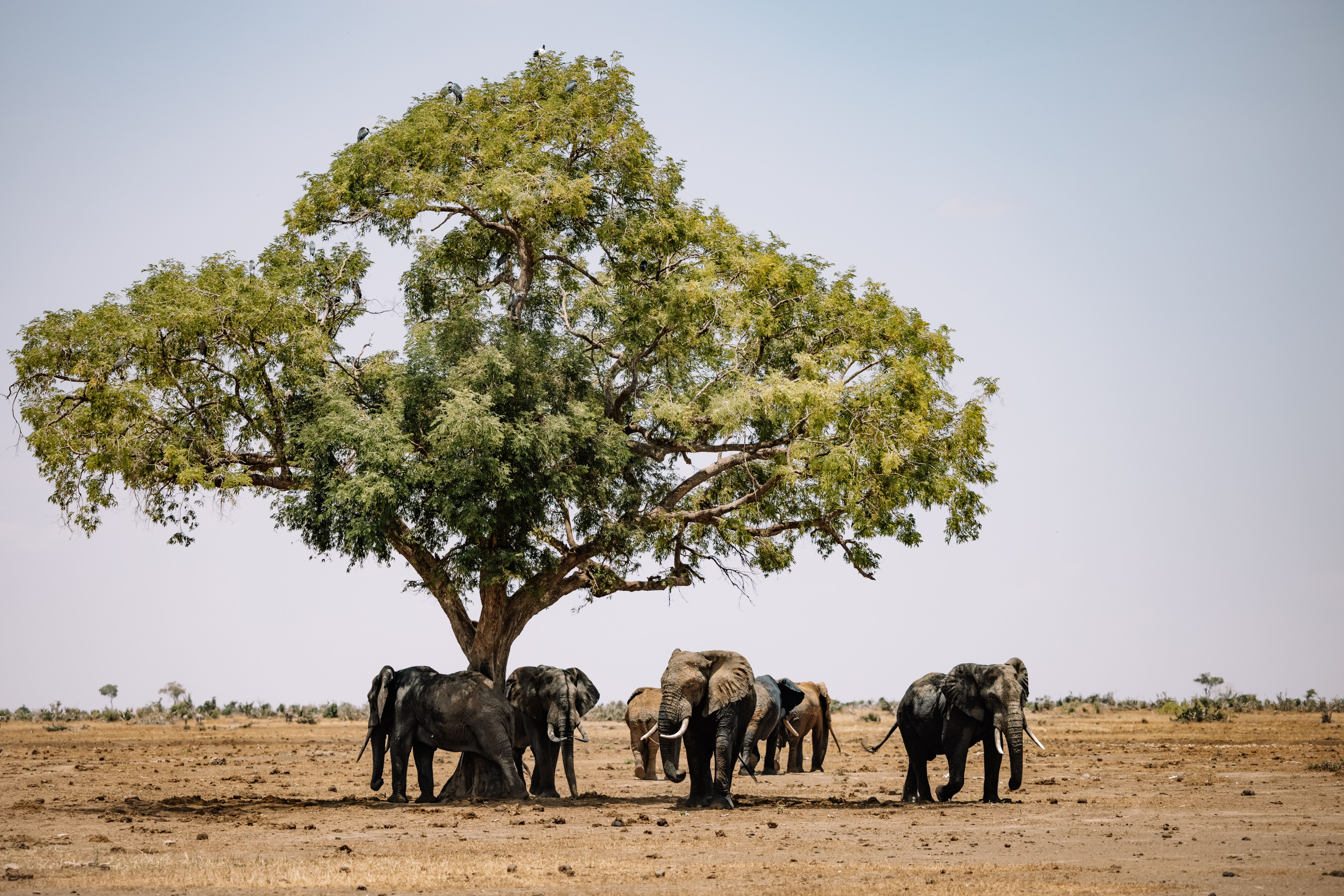
Nyerere National Park was gazetted in 2019 from the northern, photographic-tourism section of the old Selous Game Reserve, one of Africa’s largest protected areas at over 30,000 square kilometres. The southern hunting-block portion still operates as Selous Game Reserve under separate management, but Nyerere is the part built for safari travellers, and it is enormous by any standard, let alone a Tanzanian one that already includes the Serengeti.
The Rufiji River is the park’s spine, wide and slow-moving, and one of the few places in Tanzania where boat safaris are a genuine alternative to game drives rather than an occasional add-on. Walking safaris and night drives, restricted or unavailable in the northern circuit’s more crowded parks, are standard practice here, giving Nyerere a rougher, more exploratory feel than Serengeti or Ngorongoro. Wild dog do particularly well in this ecosystem, one of the more significant strongholds for a species that has vanished from much of its former range.
What Nyerere doesn’t have is crowds. Its remoteness from the northern circuit — a separate flight rather than an add-on drive — keeps visitor numbers low relative to the park’s size, and it’s entirely possible to spend a sighting alone rather than sharing it with several other vehicles.
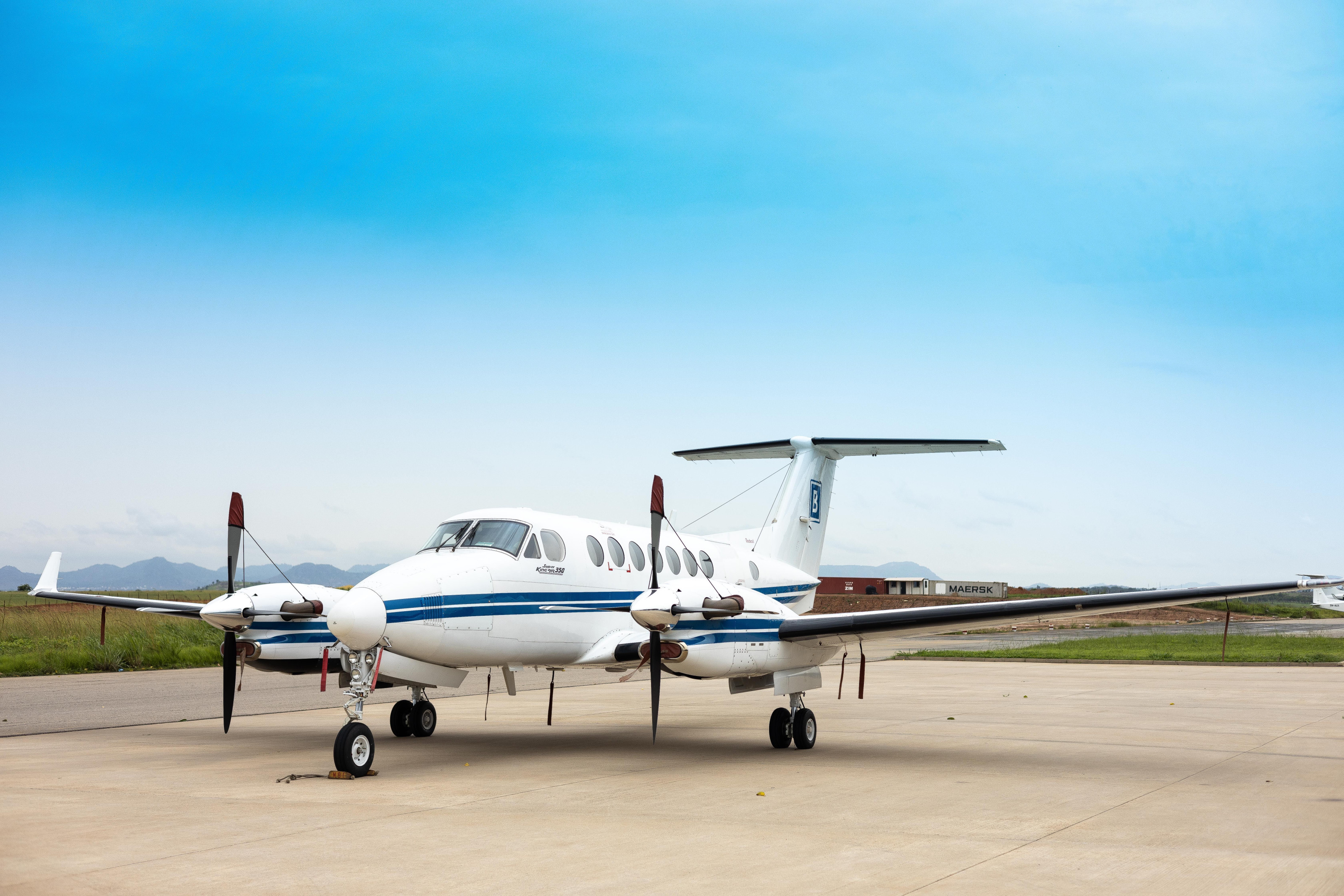
Three to four nights allows a proper mix of boat safari, game drive and walking safari, reached by light aircraft from Dar es Salaam or, less commonly, Arusha.
Park fees and rules on the Tanzanian mainland are set by Tanzania National Parks (TANAPA).