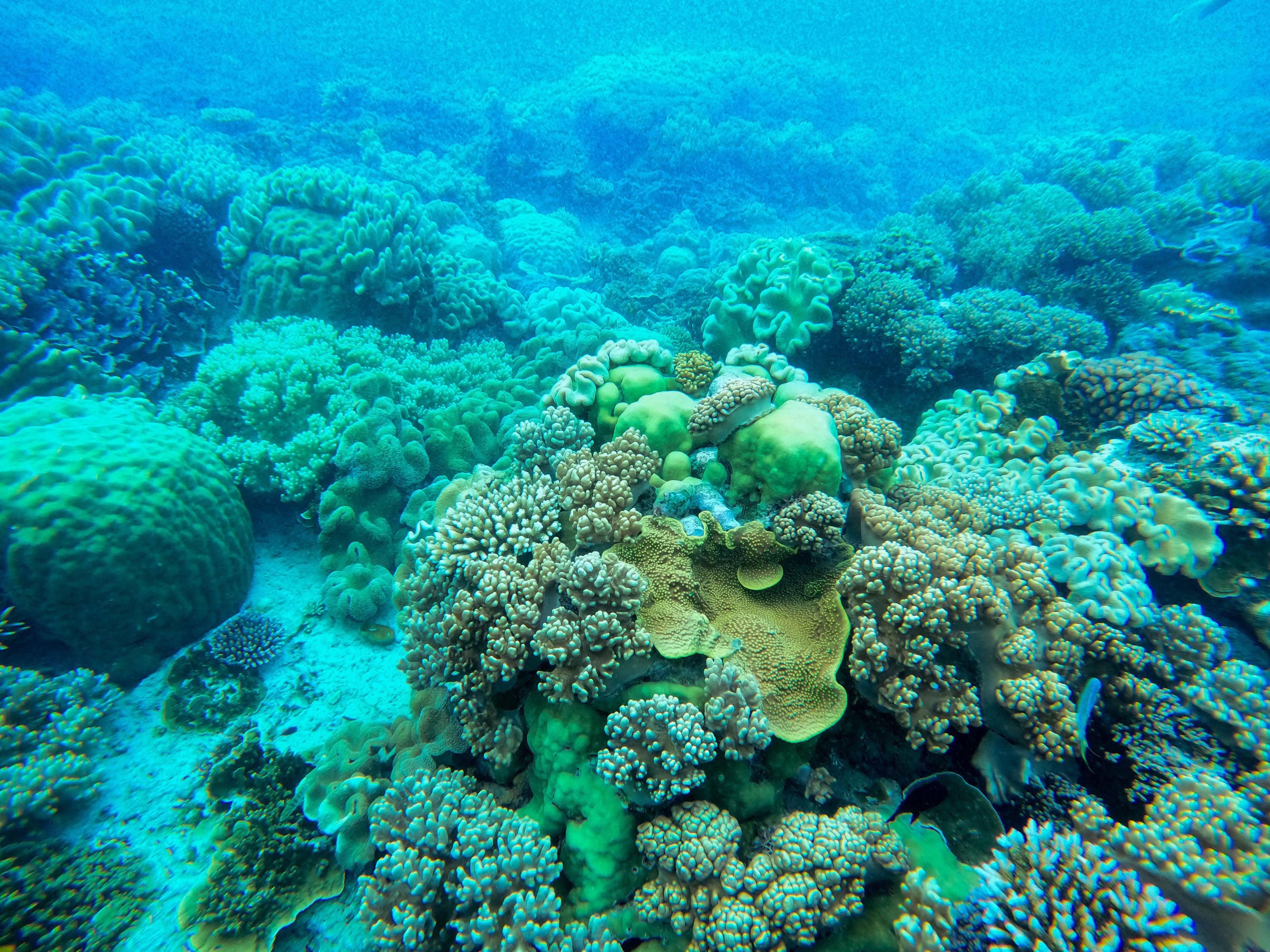
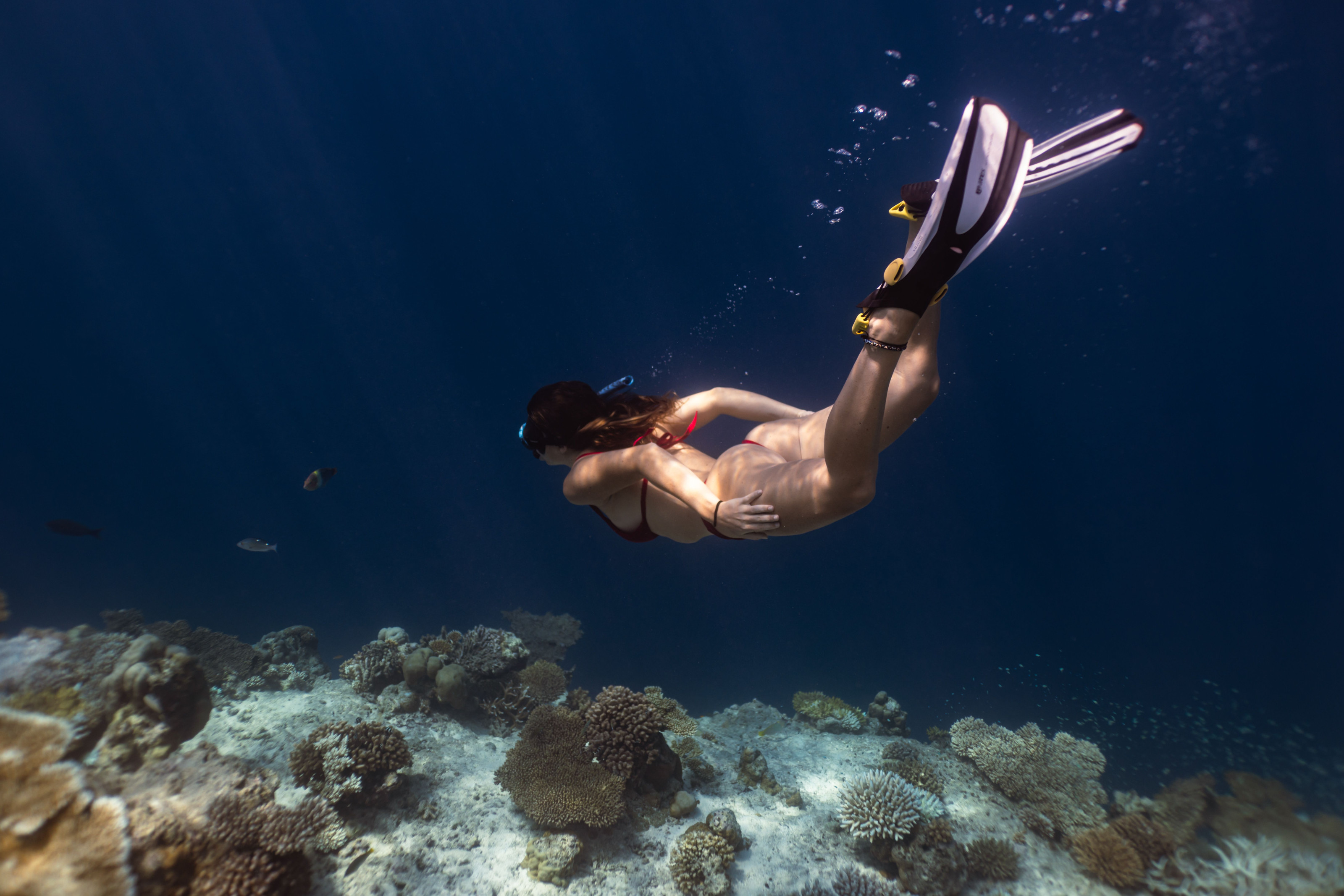
Two divers glide through clear turquoise water off the Zanzibar archipelago coast.

{ Experience }

Diving off Pemba Island

Steep coral wall diving off Pemba Island, with strong currents, excellent visibility and far fewer divers than Zanzibar's main island.

DurationHalf day per dive trip (two-tank dives common)
WherePemba Island, Zanzibar archipelago, Tanzania
ExertionChallenging
From$90

{ 01 }

The Experience

Pemba Island sits north of Zanzibar’s main island, separated from it by a deep channel that creates some of the most dramatic underwater topography on this coast — sheer coral walls dropping to genuinely deep water, with strong currents that make this a destination more for certified, experienced divers than open-water beginners. The island itself sees far fewer tourists than Zanzibar proper, and its dive sites reflect that lower pressure.

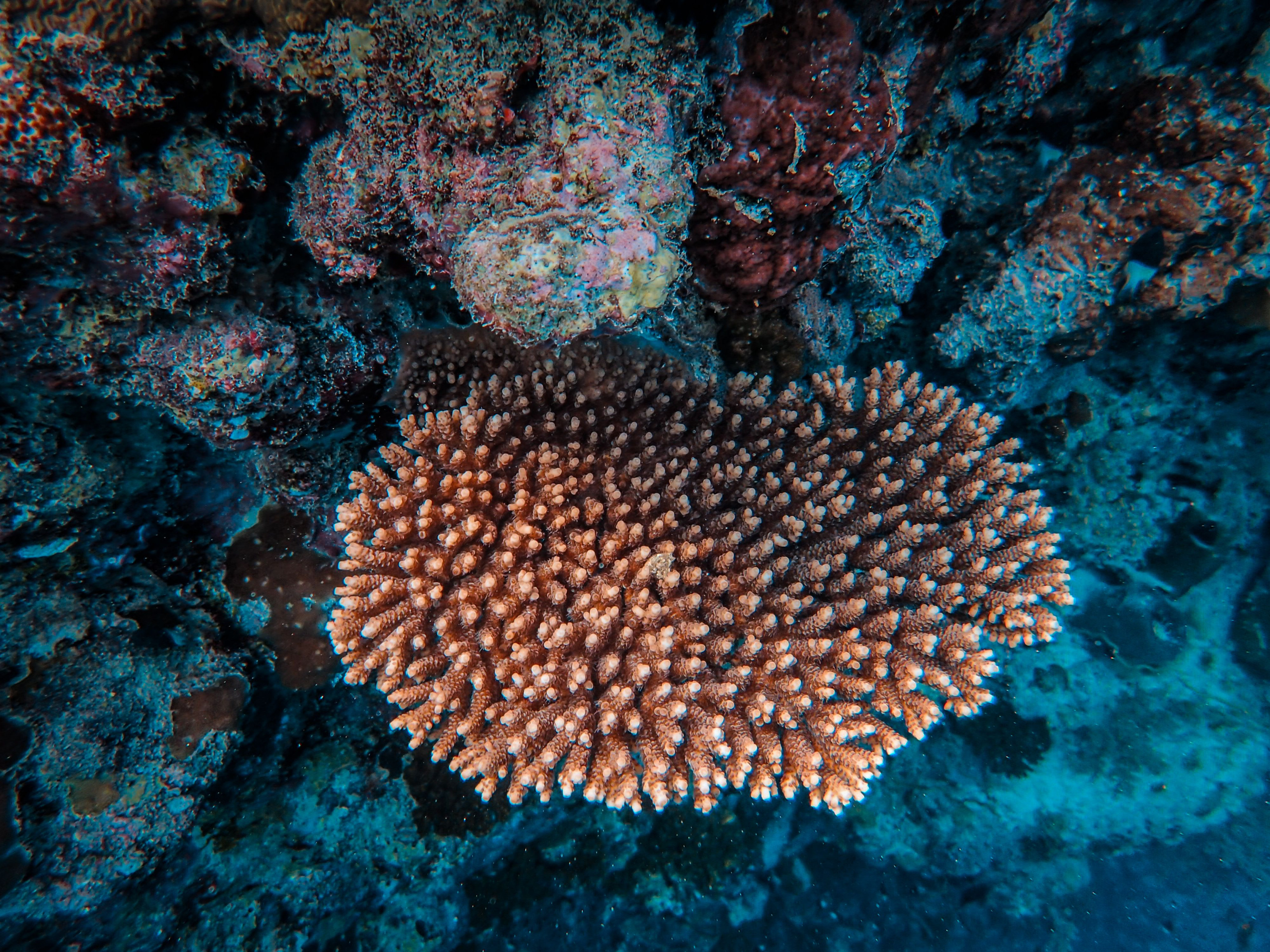
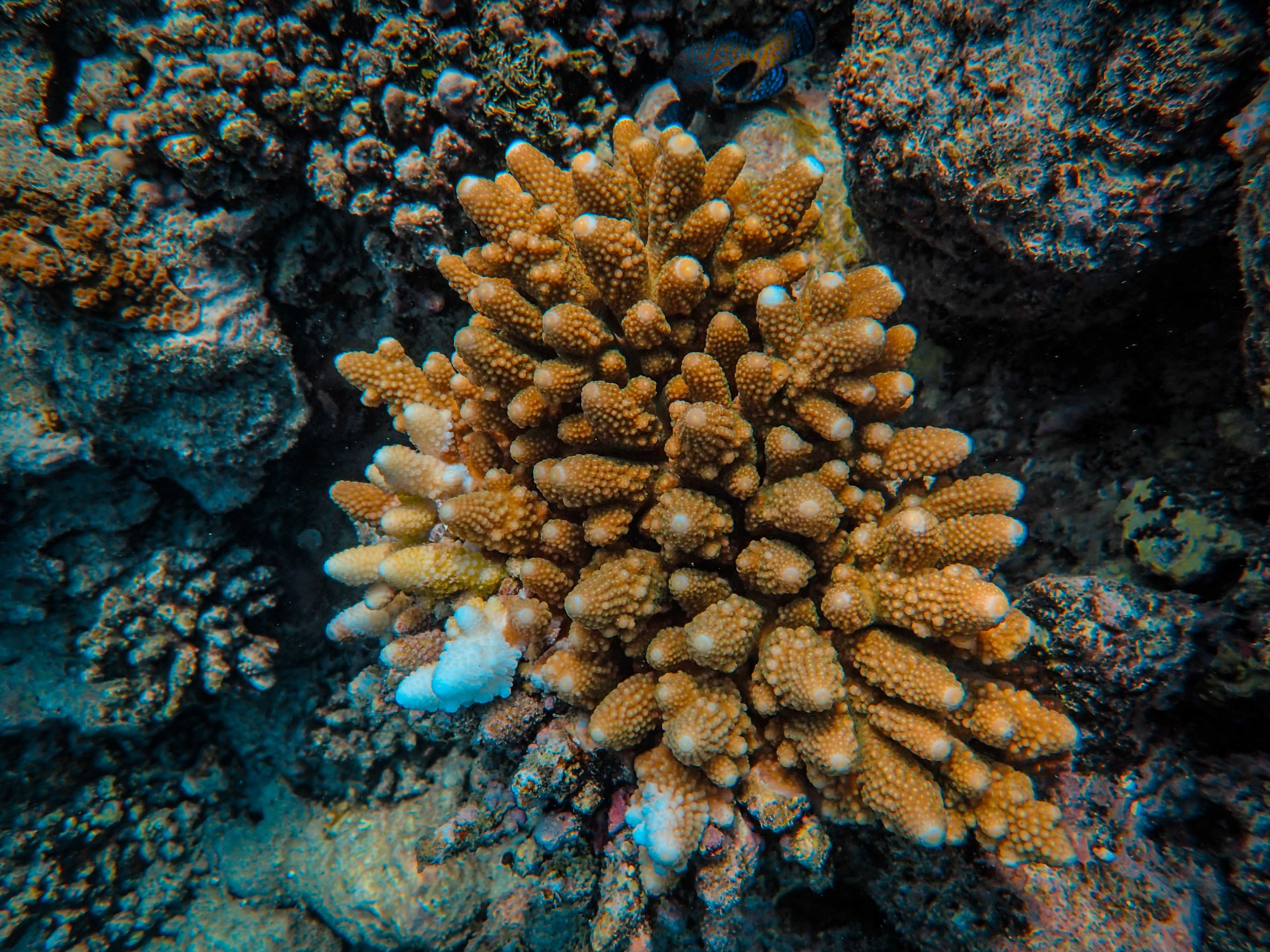
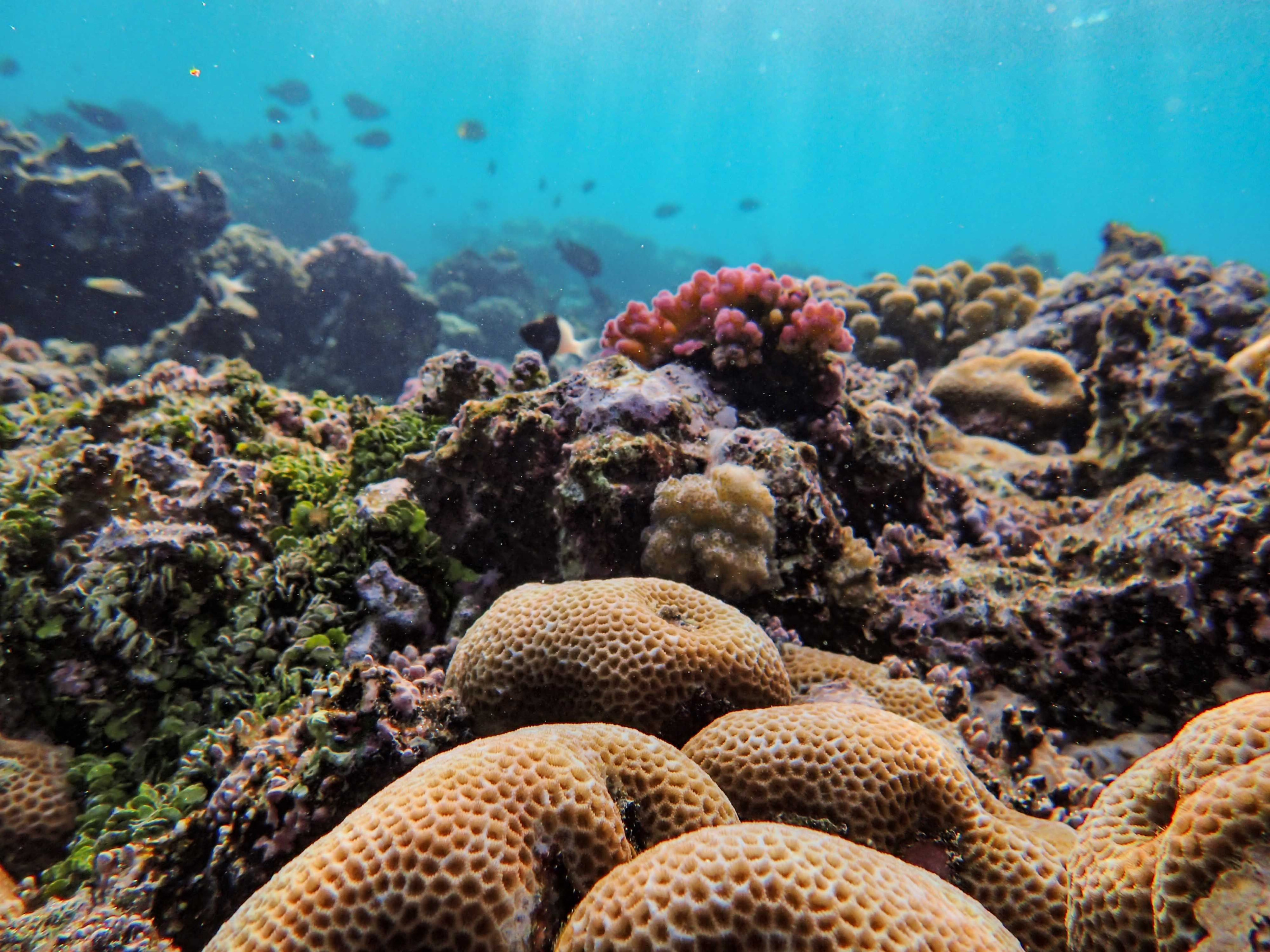
Visibility here regularly exceeds what’s typical around Zanzibar’s main island, and the current-driven nutrient flow supports larger pelagic life alongside the reef fish and coral found throughout the region.

Official visitor information for Zanzibar and mainland Tanzania is published by the Tanzania Tourist Board.
Highlights

  • Dramatic coral walls dropping into deep channel water
  • Strong currents suited to certified, experienced divers
  • Exceptionally clear visibility for much of the year
  • Significantly fewer divers than Zanzibar's main sites
  • Good chance of pelagic species in addition to reef life
  • Several dive operators based on the island itself

{ 02 }

How the Day Unfolds

Boat departure and site briefing

Dive boats leave from Pemba's main dive centres, with a full briefing on the specific site's current conditions, depth profile and any known hazards — currents here genuinely require respect and, on many sites, drift-diving technique.

The first dive

Divers descend along steep coral walls that drop well beyond recreational diving depth, with visibility often exceeding what is typical elsewhere on this coast, giving long, clear views along the wall face.

Surface interval

Between dives, boats typically anchor near a sheltered spot or return briefly to shore for a rest period required for safe decompression before the second dive.

The second dive

The afternoon or second dive often targets a different site profile — a shallower reef or a current-swept channel known for pelagic sightings — before returning to the dive centre by late afternoon.

{ 04 }

Included, and What to Bring

Included

  • Two-tank boat dive
  • Tank and weight rental
  • Dive guide

Bring

  • Valid diving certification card
  • Dive logbook
  • Your own mask, fins and wetsuit if you have them and prefer your own fit
  • A surface marker buoy if diving independently of a full-service centre
  • Motion sickness remedy if prone, given the boat time between sites

{ 05 }

Permits and Good to Know

A standard two-tank dive trip costs around $90–120 per person depending on the dive centre and equipment rental needs; full certification courses are also widely available on the island for those wanting to learn before diving Pemba's more demanding sites.

Do I need to be certified to dive here?

Strongly recommended — Pemba's currents and depths suit certified divers considerably better than first-time open-water students, who should consider calmer sites elsewhere first.

How does this compare to diving off Zanzibar's main island?

Generally more dramatic topography, better visibility and fewer other divers, but also stronger currents and a higher skill requirement.

Is Pemba touristy?

Considerably less so than Zanzibar's main island — infrastructure is more limited, which is part of the appeal for divers seeking quieter sites.

What marine life can I expect?

Extensive coral, a wide range of reef fish, and a good chance of pelagic species given the nutrient-rich currents moving through the channel.

{ Enquiry }

Plan this safari

A tailor-made safari

Tell us a little about your group and dates. A planner replies within one working day, and there is no deposit to enquire.