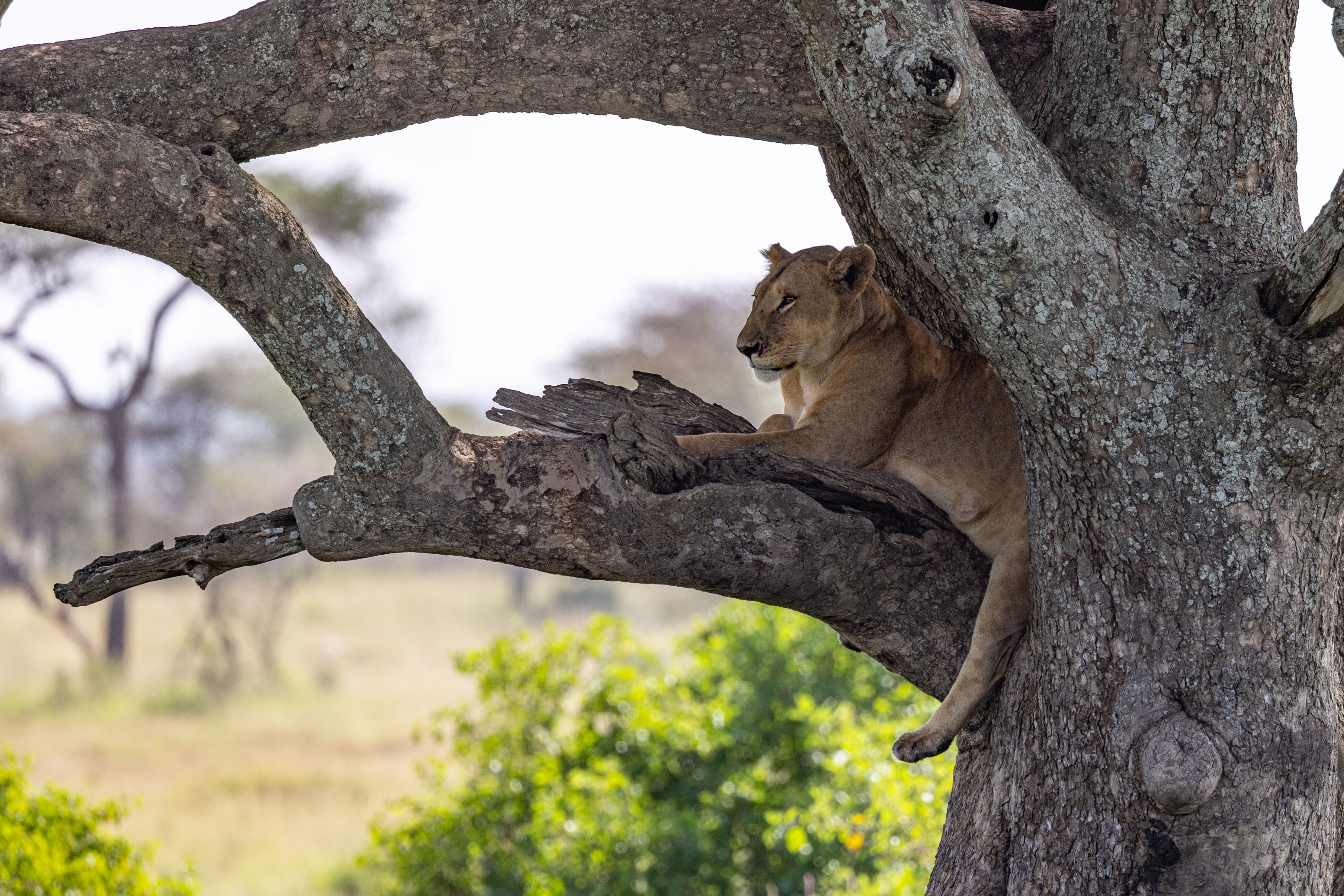
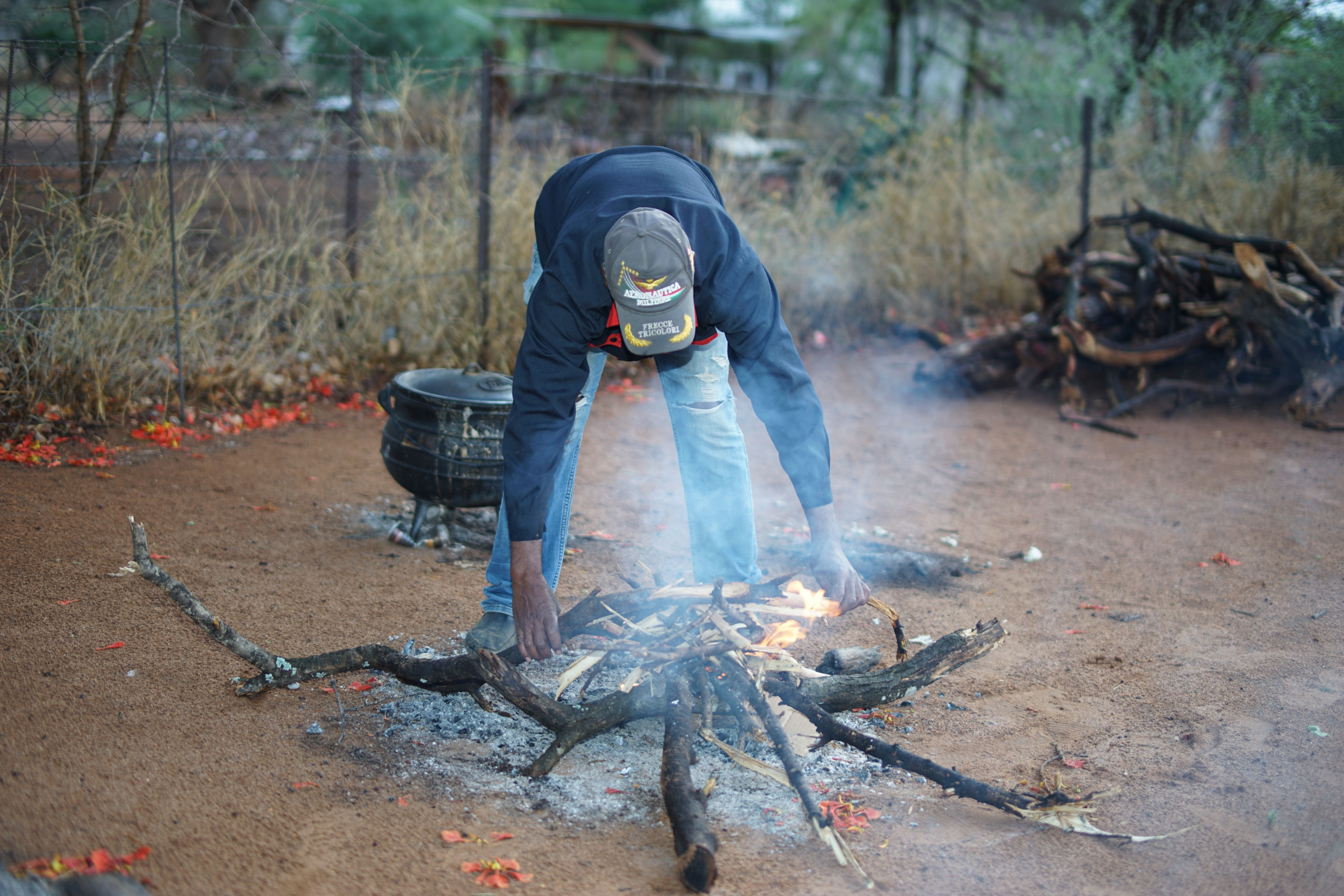
Two armed guides walking through dense bush on a walking safari.

{ Experience }

Walking Safari

A slow, armed-ranger-led walk through the bush reading tracks, dung and smaller wildlife that a vehicle safari drives past.

Duration2–4 hours
WhereSelect reserves in Tanzania (Serengeti) and Uganda
ExertionModerate
From$50

{ 01 }

The Experience

A walking safari inverts the usual safari logic — instead of covering ground quickly in a vehicle hoping to encounter something big, you move slowly on foot with an armed ranger and learn to read what the bush is actually saying: fresh lion tracks crossing a dry riverbed, the particular way dung beetles work a pile of buffalo dung, dwarf mongoose signs around a termite mound. Big game is kept at a respectful distance rather than approached, for obvious safety reasons.

This is offered in specific parks with the right terrain and licensing — the Serengeti’s remoter corners in Tanzania, and Uganda’s forest reserves near Bwindi — and suits travellers who have already done a few vehicle drives and want a different register of attention.

Park fees and rules on the Tanzanian mainland are set by Tanzania National Parks (TANAPA).

Highlights

  • Armed ranger and tracker lead every walk
  • Focus on tracks, dung, birdlife and smaller species over big game
  • Dangerous animals kept at a safe, respectful distance
  • Available in select Tanzania and Uganda reserves
  • Typically two to three hours, sometimes a full morning
  • A genuinely different pace and attention from vehicle safaris

{ 02 }

How the Day Unfolds

Safety briefing

Before setting off, the armed ranger explains what to do if you encounter dangerous game on foot — stay behind the guide, move slowly, never run — and how the walk will be paced and positioned relative to wind direction, since animals will smell you well before they see you.

Reading the ground

Much of the walk is close, patient observation: identifying tracks by species and age, working out how recently an animal passed, spotting dung beetles, termite architecture and the small mammal signs that vehicle safaris move past at speed.

Distant big game

If elephant, buffalo or other large animals are encountered, the guide keeps a wide, safe buffer and often uses the moment to explain behaviour cues — ear position, tail movement — that indicate whether an animal is aware of or agitated by your presence.

Return via a different route

Walks typically loop back by a different path, adding variety to the terrain and improving the chance of new sightings on the way out.

{ 04 }

Included, and What to Bring

Included

  • Armed ranger and tracker guiding
  • Safety briefing
  • Water on some operator itineraries

Bring

  • Sturdy closed walking shoes
  • Neutral-coloured clothing
  • A hat and sun protection
  • Water
  • Binoculars for distant sightings

{ 05 }

Permits and Good to Know

Walking safaris typically cost $50–80 per person as an add-on to a lodge or camp stay, reflecting the specialist ranger licensing required; not all parks permit walking safaris, so availability depends on where you are based.

Is it dangerous?

Less than it sounds — armed rangers are trained specifically for this, keep dangerous game at a wide distance, and the pace and route are chosen to minimise close encounters rather than seek them out.

Can children do this?

Most operators set a minimum age, commonly around 12, given the need to stay quiet and follow instructions precisely.

What will I see that I wouldn't from a vehicle?

Smaller mammals, insects, tracks, dung, plant use by wildlife — the detail of an ecosystem rather than only its headline species.

Is this available in Bwindi?

Guided forest walks in and around Bwindi exist, though gorilla trekking itself is the primary on-foot activity in that particular park.

{ Enquiry }

Plan this safari

A tailor-made safari

Tell us a little about your group and dates. A planner replies within one working day, and there is no deposit to enquire.