

A birding safari runs at a different speed to a standard game drive: slower vehicles, longer stops, and a route chosen for habitat variety as much as for headline wildlife. Uganda in particular has built a serious reputation on this, with more than 1,000 recorded bird species inside its borders.
What It Is Like
Days often start before dawn, when birds are most active and calling, and mix vehicle-based birding with walks along forest trails and boat trips through papyrus swamp. A specialist driver-guide who can call and identify species by ear as well as by sight changes the trip considerably, and we build that into the itinerary rather than treating birding as an add-on to a game drive.
Where It Works Best
The Albertine Rift running along Uganda, Rwanda and eastern Congo holds a cluster of endemic species found nowhere else, and our journal guide on the Albertine Rift endemics covers where to find them. Mabamba Bay Wetland near Entebbe is the most reliable spot in the region for the shoebill, a genuinely strange-looking stork relative that draws birders on its own; our shoebill search experience covers the canoe trip in detail. Kibale National Park, Nyungwe Forest National Park and Uganda’s Royal Mile in Budongo Forest add dense forest species to a Rift Valley lakes and wetlands circuit.
Best Time
Birding is a year-round activity, but the dry months make trails easier underfoot, while the rains, roughly March to May and October to November, bring migrant species up from further south and can be excellent for variety despite the mud. Breeding plumage on resident species is often best in the months just before the rains.
Who It Suits
Serious birders working through a life list, and equally casual travellers who enjoy slower, quieter days and do not need a lion sighting every hour. Uganda’s national bird, the grey crowned crane, is common enough on a slower-paced trip that most visitors see one without particularly trying. Photographers with long lenses also tend to do well on this style of trip, since the pace allows time to actually set up a shot rather than snatching one from a moving vehicle.
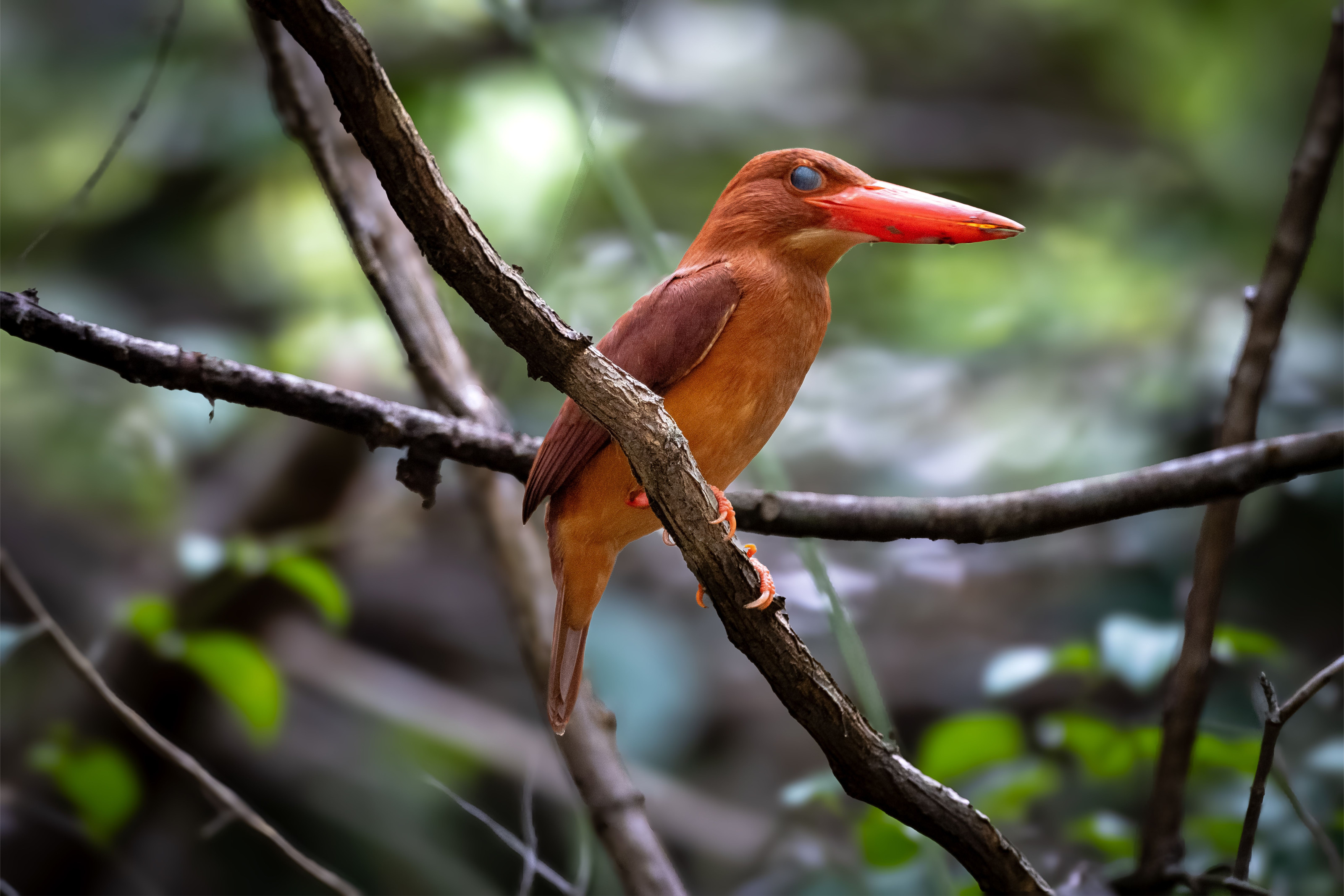
Ethiopian Endemics: A Rift Valley and Highland Birding Trail
Rift Valley lakes, Awash National Park and the Bale highlands, tracking Ethiopia's exceptional list of endemic birds.

Meru & Samburu Wilderness Safari
Nine days through Kenya's quietest wildlife country: Meru's rivers and rock outcrops, then Samburu and Buffalo Springs' dry-country specials.

Nyungwe Forest: Canopy Walk and Birding Trails
Chimp trekking, colobus tracking and the 160m canopy walkway in Nyungwe's ancient montane rainforest.
See the full birding safari archive.
How We Plan It
We pair you with a driver-guide experienced in birding specifically, not just general wildlife, and build in the early starts and longer stops that a birding-focused day actually needs. Wetlands, forest edges and papyrus swamp all go into the route alongside the savannah parks, and we keep group sizes small so a slow scan of a mixed flock does not become a group negotiation.
Binoculars are worth bringing your own pair for, even though most vehicles carry a spare set, and a lightweight rain layer earns its place in the bag given how much of the best birding happens near water.
Tell us the species or regions on your list through the tailor-made planner and we will build the route around them, no deposit needed to enquire.