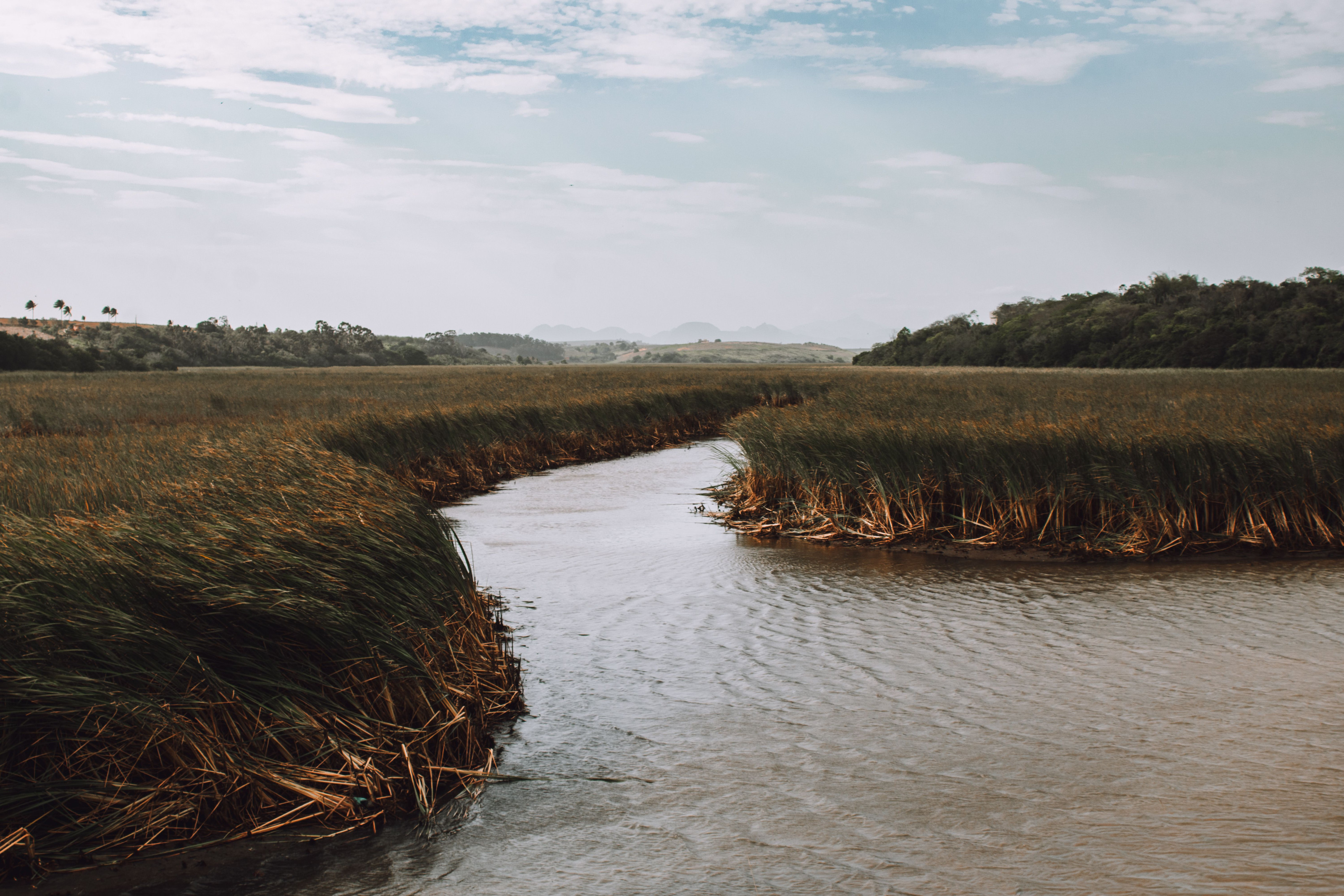
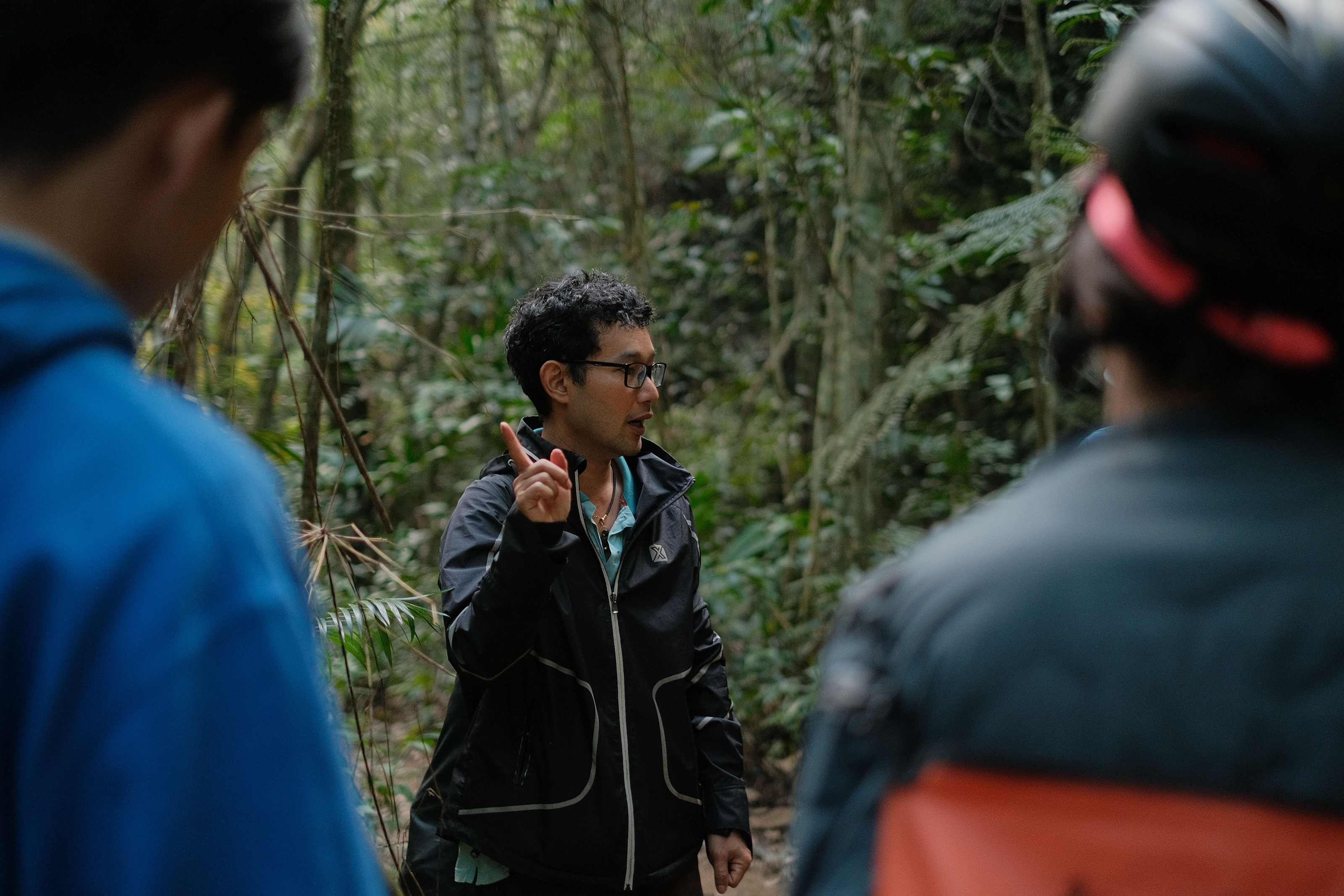
A river winding through lush green wetland beneath an open sky.

{ Tour }

Rwanda’s Wild Corners: A Fourteen-Day Birding and Primate Expedition

Every Rwandan primate trek plus dedicated wetland birding at Akanyaru, Nyabarongo and Akagera, over fourteen days.

Duration14 Days / 13 Nights
Group size2 – 6 travellers
Best monthsYear-round, with strongest migrant activity November – April
From$8,750 per person sharing

{ 01 }

The Trip in Short

This is the itinerary for people who’ve already done the standard Rwanda trip, or who simply want the long version from the start. It covers every primate trek the country offers – gorillas, golden monkeys, two separate chimp populations – and adds the wetland birding most visitors never reach: Akanyaru on the Burundi border, Nyabarongo near Kigali, and Akagera’s papyrus channels.

Fourteen days gives it room to be thorough rather than frantic, with specialist guiding throughout for anyone serious about a Rwanda bird list.

Park fees and gorilla permits in Rwanda are set by the Rwanda Development Board.

Highlights

  • Mountain gorilla and golden monkey trekking in Volcanoes National Park
  • Chimpanzee trekking at both Nyungwe and Gishwati-Mukura
  • 160m canopy walkway and Albertine Rift endemic birding
  • Akanyaru and Nyabarongo papyrus wetlands
  • Full two-day Akagera birding and game viewing
  • Specialist ornithological guide for the full trip

{ 02 }

Where You Go, Stop by Stop

1
Day 1–3
Kigali – Musanze: gorillas, golden monkeys
2
Day 4–6
Musanze – Gishwati-Mukura
3
Day 7–9
Gishwati-Mukura – Nyungwe Forest
4
Day 10–12
Nyungwe – Akagera National Park
5
Day 13–14
Akagera wetlands – Akanyaru – Kigali – departure

{ 03 }

Day by Day Itinerary

Day 1: Kigali to Musanze

Transfer north to the volcanic highlands, arriving in time to settle in before an early trek.

Day 2: Gorilla trekking

The gorilla trek and its hour of viewing, with the rest of the day free to recover.

Day 3: Golden monkeys

A shorter, flatter trek through bamboo forest for golden monkeys, a good habitat for high-altitude forest birds as well.

Day 4–6: Gishwati-Mukura

Transfer to Rwanda's restored forest corridor for chimp trekking among a smaller population, golden monkey tracking, and birding through 160-plus recorded species including the Rwenzori Turaco.

Day 7–9: Nyungwe Forest

On to Nyungwe for a second chimp trek, the 160m canopy walkway, and two full birding days targeting Albertine Rift endemics like the Red-collared Mountain Babbler and Kivu Ground Thrush.

Day 10–12: Akagera National Park

A long transfer east for three days of birding by vehicle and boat, with a strong chance at the shoebill and over forty recorded raptor species across the park's wetlands and savanna.

Day 13: Akanyaru Wetlands

A stop at the Ramsar-listed Akanyaru papyrus marshland on the Burundi border, a reliable spot for papyrus specialists rarely seen elsewhere on the itinerary.

Day 14: Nyabarongo Wetlands and departure

A final morning at the Nyabarongo River wetlands just southeast of Kigali before departure.

{ 04 }

What the Price Covers

Included

  • Rwanda gorilla trekking permit ($1,500)
  • Golden monkey and chimpanzee trekking permits (both parks)
  • Akagera National Park entry and boat safari
  • Specialist birding guide throughout
  • All accommodation, 13 nights
  • All meals as noted in the itinerary
  • Private transport throughout

Not included

  • International flights
  • Rwanda entry visa
  • Gratuities for guides, trackers and porters
  • Alcoholic drinks
  • Travel insurance

{ 05 }

Before You Book

Is chimp trekking at two different parks repetitive?

The two populations behave differently – Gishwati-Mukura's group is smaller and more habituated to a quiet, low-traffic setting, while Nyungwe's trekking covers larger forest and less predictable movement. Serious birders and primate-watchers generally find both worthwhile.

What's a realistic species count for this itinerary?

Groups with a dedicated guide covering this full route commonly log several hundred species across the two weeks, weighted heavily toward Albertine Rift endemics and wetland specialists.

Is fourteen days too much walking?

The treks themselves are the most demanding days; wetland birding is done from vehicles, boats or short level walks, which balances the schedule.

Can this itinerary be split into two shorter trips?

Yes – it divides naturally into a primate-focused first week and a birding-focused second week if that suits your schedule better.

{ Enquiry }

Plan this safari

A tailor-made safari

Tell us a little about your group and dates. A planner replies within one working day, and there is no deposit to enquire.