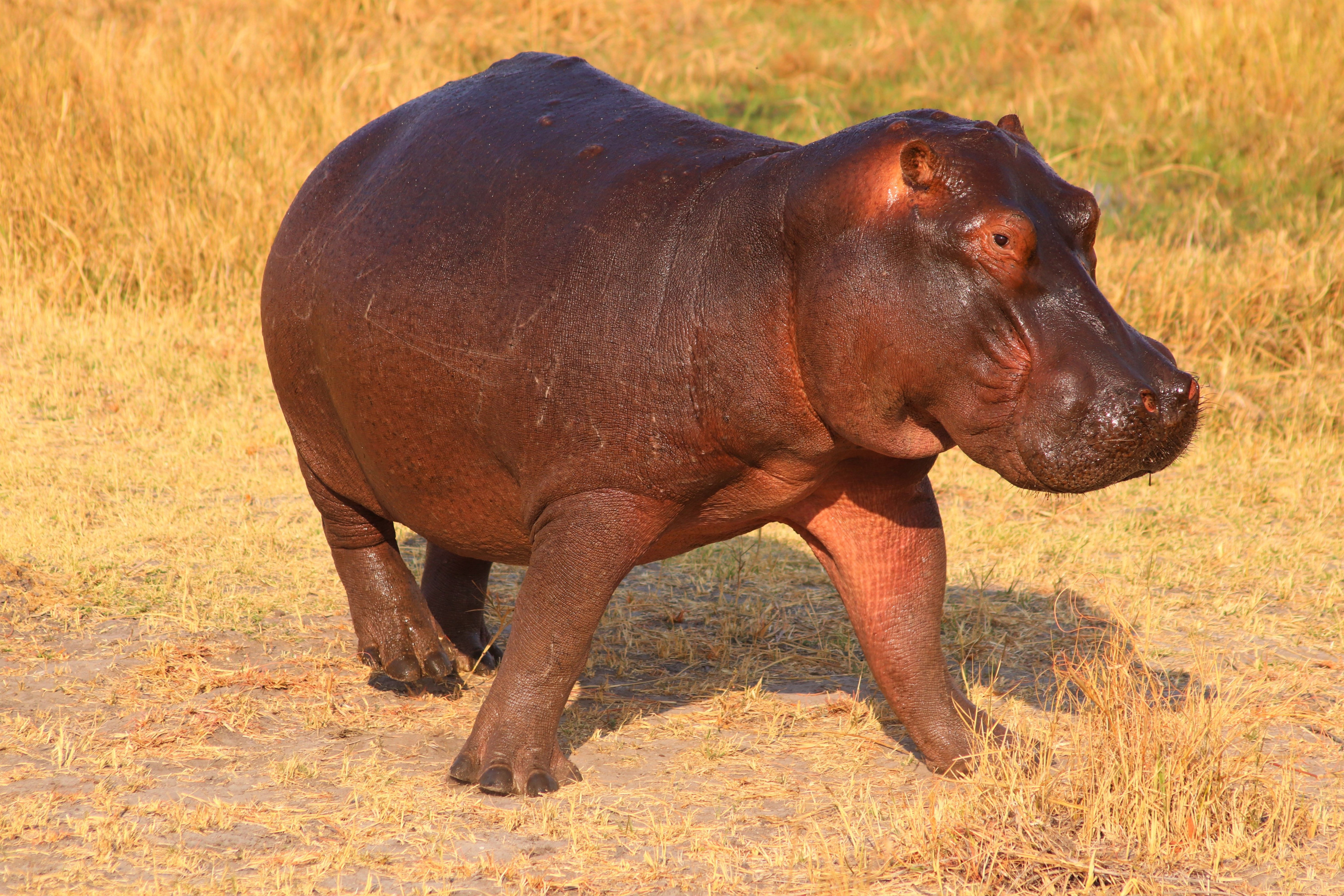
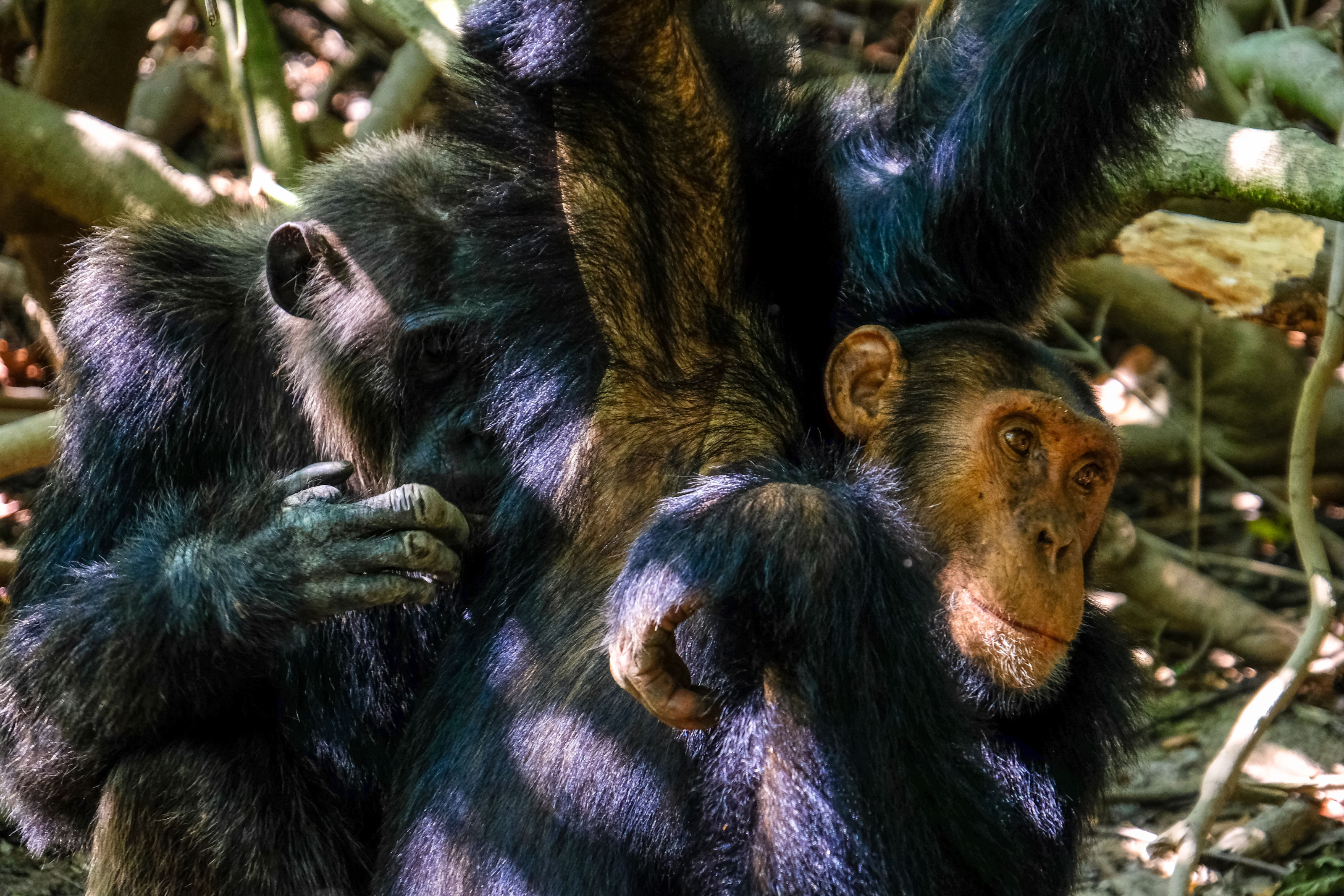
A young chimpanzee sits alert amid the dense green understory of a tropical forest.

{ Experience }

Chimpanzee Habituation Experience

A full day in Kibale following a semi-habituated chimp community with the research team, from dawn nest to evening nest. Around $300.

DurationFull day (roughly 6am–5pm)
WhereKibale National Park, Uganda
ExertionChallenging
From$300

{ 01 }

The Experience

Where standard chimp trekking gives an hour with a habituated group, the habituation experience follows researchers for most of a day, starting at a community’s overnight nest site before dawn and staying with them through feeding, resting and social behaviour until they build new nests for the evening. It is a small, quiet programme, capped well below standard trekking numbers.

This suits travellers who want to understand chimp behaviour in depth rather than simply see chimps, and who don’t mind a long day on uneven forest ground for it.

Park entry fees and gorilla and chimp permits in Uganda are set by the Uganda Wildlife Authority.
Highlights

  • Capped at four visitors per session
  • Starts before dawn at the community's overnight nest
  • Follows the group through a full day of natural behaviour
  • Led by the research team, not only a standard guide
  • Ends at the evening nest-building site
  • Deeper, longer encounter than standard trekking

{ 02 }

How the Day Unfolds

Pre-dawn start

Visitors meet researchers well before sunrise to reach the community's nest site as the chimps wake, which is when a lot of the day's vocal and social behaviour begins — this is the part standard trekking never sees.

Following the group by day

The chimps range widely through the forest over the following hours, feeding on fruiting trees, resting, occasionally hunting colobus monkeys — a documented Kibale behaviour that researchers are always alert for. Following them means matching their pace across uneven, sometimes thick forest, for several hours at a stretch.

A working day with researchers

Unlike a scripted hour of viewing, this is watching researchers do actual behavioural observation — data on grooming, dominance interactions, feeding choices — with visitors positioned to see but not disrupt. Questions are welcomed during quieter stretches.

Evening nest-building

The day ends when the community builds nests for the night, usually mid-to-late afternoon, at which point visitors walk back out while the chimps settle in until the next dawn follow.

{ 04 }

Included, and What to Bring

Included

  • Chimp habituation permit
  • Full-day research team guiding
  • Packed lunch on some operator itineraries

Bring

  • Sturdy waterproof boots for a long day's walking
  • Long trousers and sleeves
  • Insect repellent
  • A full day's water — at least 3 litres
  • A packed lunch if not provided
  • A head torch for the pre-dawn start

{ 05 }

Permits and Good to Know

Uganda Wildlife Authority prices the chimp habituation permit at around $300 per person, a modest step up from standard chimp trekking that buys a full day rather than one hour, with a research team rather than a standard guide.

How is this different from standard chimp trekking?

Standard trekking gives one hour with a habituated group found mid-morning. This follows a semi-habituated community from dawn nest to evening nest, a considerably longer and more demanding day.

Do I need to be very fit?

Reasonably fit and prepared for several hours of forest walking spread across a full day, though the pace is set by chimp movement rather than a fixed hiking schedule.

Will I definitely see the chimps hunt?

No — hunting is documented in Kibale but not guaranteed on any given day; most of the day is feeding, resting and social interaction.

Is this available year-round?

Yes, though very wet months make a long day on forest trails harder going.

{ Enquiry }

Plan this safari

A tailor-made safari

Tell us a little about your group and dates. A planner replies within one working day, and there is no deposit to enquire.