A traditional village of huts set among vast open grassland and hills.

{ Experience }

Maasai Village Visit

A visit to a working Maasai homestead near the Mara or Serengeti, covering livestock life, traditional dance and homestead construction.

Duration1–2 hours
WhereCommunities near Maasai Mara National Reserve, Kenya, and Serengeti National Park, Tanzania
ExertionEasy
From$25

{ 01 }

The Experience

The Maasai are a pastoralist people whose territory spans southern Kenya and northern Tanzania, and villages, or bomas, near the Maasai Mara and Serengeti often welcome visitors for a paid cultural visit that gives a direct look at homestead life, livestock herding practices, and traditional dance — most recognisably the adumu, the jumping dance associated with young Maasai warriors.

The quality of this experience varies a good deal by operator and specific community relationship; the better versions are genuine income for the homestead and led by community members on their own terms, rather than a rehearsed stop bolted onto a game drive schedule.

Fees and rules in Kenya's national parks are set by the Kenya Wildlife Service.

Highlights

  • Visit to a working boma (homestead), not a staged set
  • Adumu jumping dance, associated with young Maasai warriors
  • Explanation of livestock herding and homestead life
  • Craft market often included, direct income for the community
  • Best arranged through an operator with an established, fair community relationship
  • Usually a stop within a Mara or Serengeti safari itinerary

{ 02 }

How the Day Unfolds

Welcome at the boma

Visitors are welcomed at the entrance to the homestead, often with a greeting song, and introduced to a community member who will guide the visit and answer questions throughout.

Homestead and livestock life

A tour of the boma explains its construction — traditionally built by women from mud, sticks and cow dung — and the central role of cattle in Maasai life, from diet to social status to bridewealth customs.

Traditional dance

A performance typically includes the adumu, the competitive jumping dance historically associated with young warriors, sometimes with visitors invited to join in, met usually with good humour on both sides.

Craft market and departure

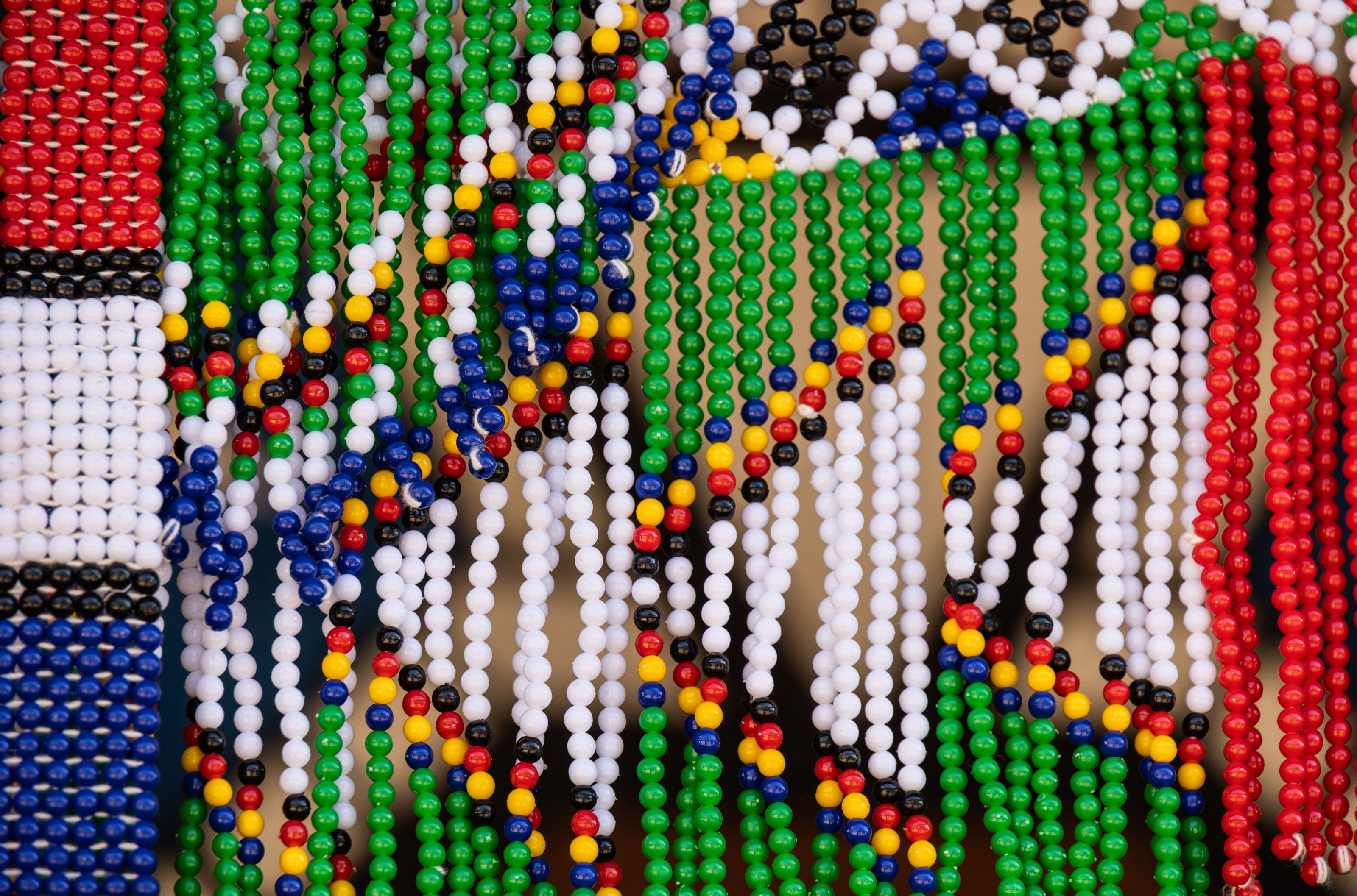
Most visits close with a chance to buy beadwork and other crafts directly from community members, a meaningful part of the visit's income for the homestead beyond the entry fee itself.

{ 04 }

Included, and What to Bring

Included

  • Guided village visit
  • Cultural demonstration and dance performance

Bring

  • Cash for craft purchases
  • Sun protection
  • Respectful curiosity — this is someone's home and community, not a performance venue built for tourists
  • A translator is usually provided by the guide if needed

{ 05 }

Permits and Good to Know

Village visit fees typically run around $25–40 per person, paid directly to the community rather than as a national park fee; ask your operator how the fee is structured and whether it goes to the specific homestead you are visiting.

Is this authentic or staged for tourists?

This varies considerably by operator and community relationship — ask specifically how the visit is organised and whether it is a genuine working homestead with an ongoing, fair arrangement, rather than a set built solely for visits.

Is it appropriate to take photographs?

Generally yes with permission, and often expected as part of the paid visit, but always ask before close-up portraits of individuals.

How is this different from a museum or cultural centre?

A boma visit is to an active, working homestead rather than a static display, though the visit itself is inevitably somewhat structured for guests.

Can I combine this with a Mara or Serengeti safari?

Yes, this is almost always offered as a half-day add-on within a broader safari itinerary in either country.

{ Enquiry }

Plan this safari

A tailor-made safari

Tell us a little about your group and dates. A planner replies within one working day, and there is no deposit to enquire.