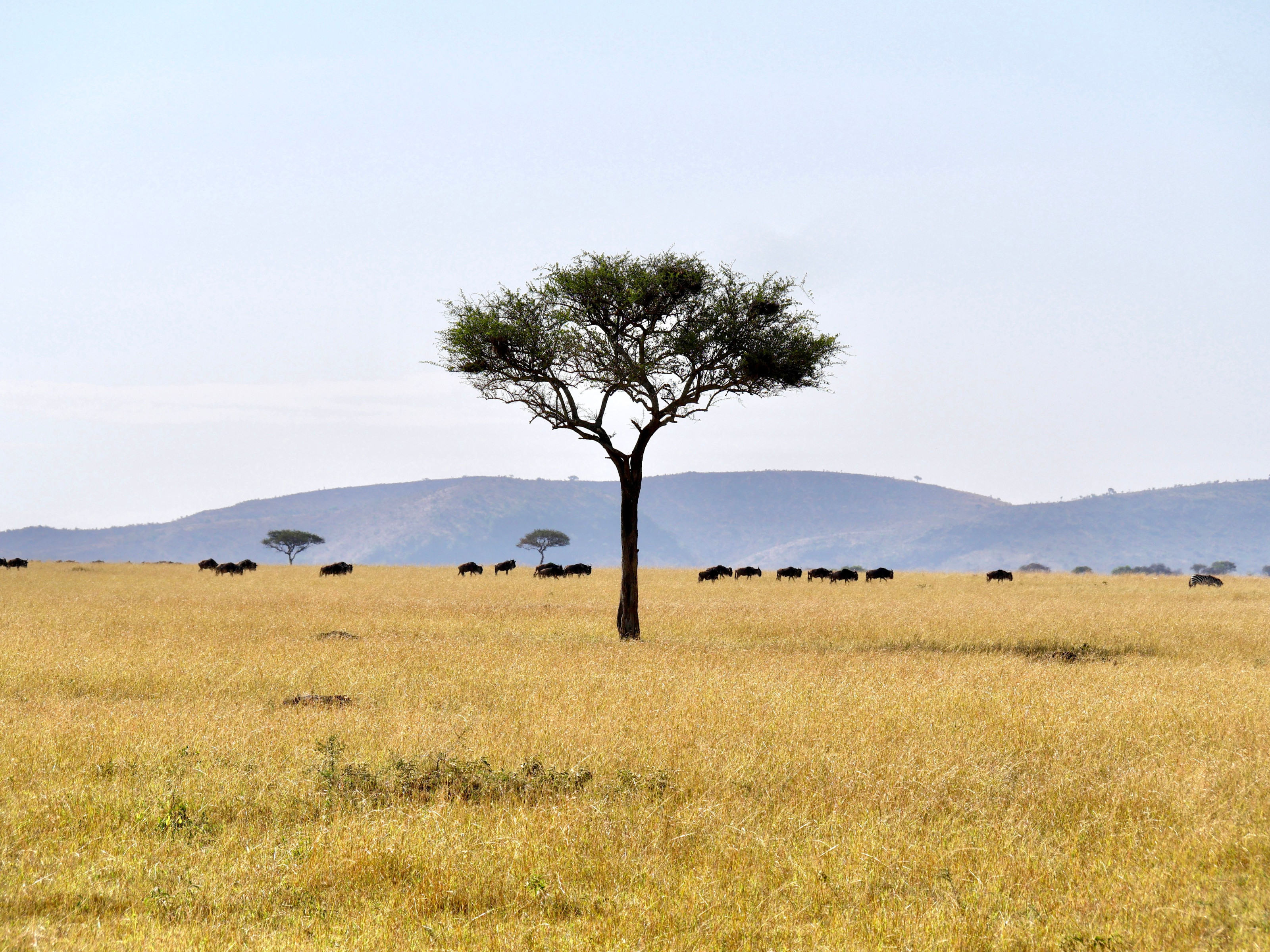
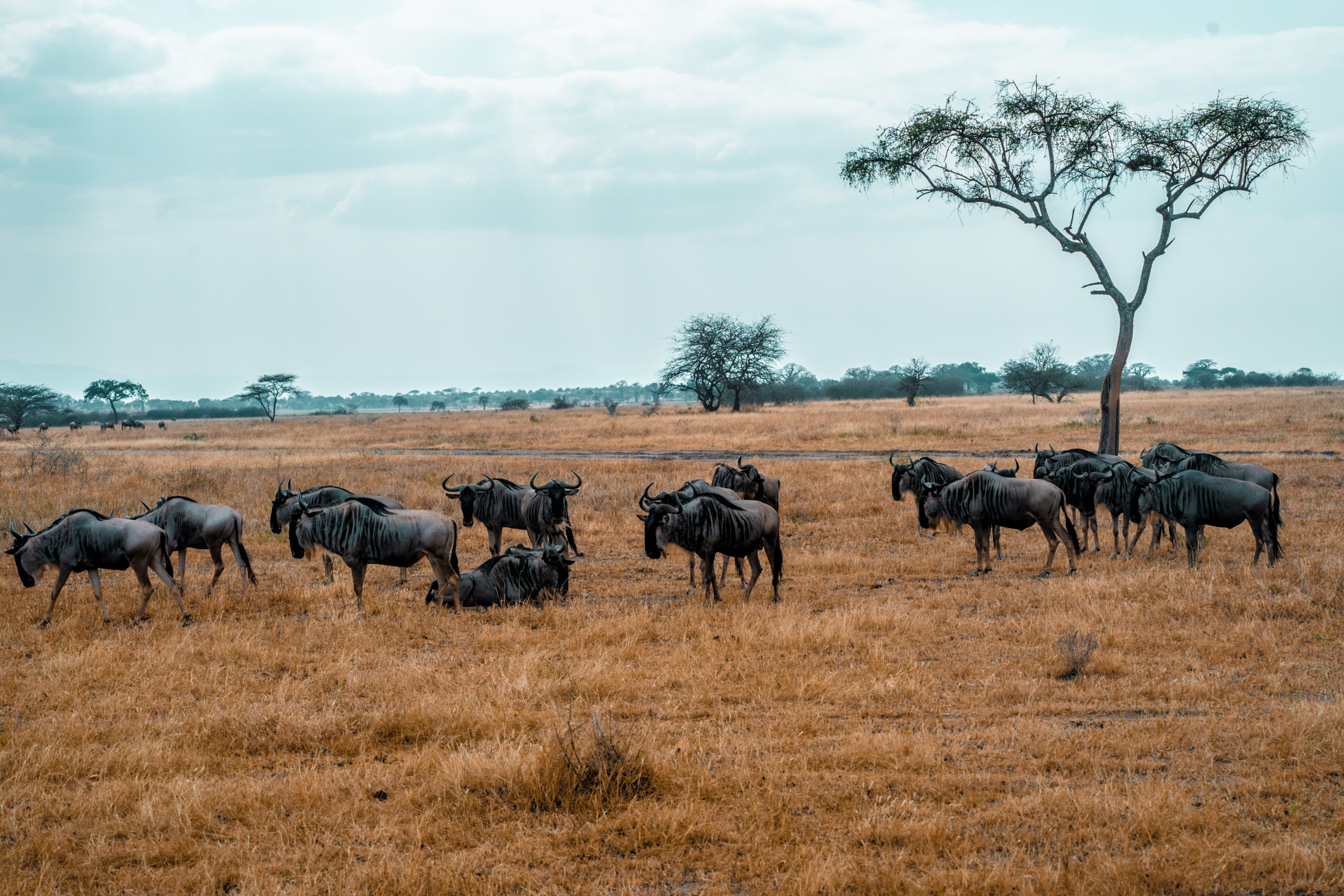
A lone acacia tree stands over the vast open plains of the Serengeti with wildebeest grazing in the distance.

{ Tour }

Fifteen Days for Northern Tanzania’s Birds

A fifteen-day birding circuit from Arusha National Park through Tarangire, Ngorongoro and the Serengeti to the Usambara Mountains, targeting the critically endangered Beasley's lark.

Duration15 Days / 14 Nights
Group size2 – 6 birders
Best monthsJune – October and December – February
From$6,280 per person sharing

{ 01 }

The Trip in Short

Tanzania’s bird list runs past a thousand species, and this trip is built to show a serious birder as much of that range as fifteen days reasonably allows: montane forest around Mount Meru, the volcanic ash plains at Engikaret where the critically endangered Beasley’s lark still holds on, Tarangire’s baobab woodland specialists, Ngorongoro’s wetland species, the Serengeti’s grassland and kopje birds, and a final push east into the Usambara Mountains for genuine Eastern Arc endemics.

It runs alongside the same parks a standard wildlife safari visits, but at a birder’s pace: slower, quieter, and willing to sit still for twenty minutes for one difficult bird.

Park fees and rules on the Tanzanian mainland are set by Tanzania National Parks (TANAPA).

Highlights

  • Montane forest and Momella Lakes birding around Mount Meru
  • Critically endangered Beasley's lark on the Engikaret ash plains
  • Tarangire's woodland and riverine bird specialists
  • Ngorongoro's wetland species during the crater descent
  • Serengeti grassland and kopje birding alongside big-game viewing
  • Eastern Arc montane endemics in the Usambara Mountains' Magamba Forest

{ 02 }

Where You Go, Stop by Stop

1
Day 1
Arrival, Arusha
2
Day 2
Arusha National Park
3
Day 3
Engikaret Lark Plains
4
Day 4
Transfer to Tarangire
5
Day 5
Tarangire National Park
6
Day 6
Tarangire to Karatu
7
Day 7
Ngorongoro Crater
8
Day 8
Transfer to Serengeti
9
Day 9–10
Serengeti National Park
10
Day 11
Return to Arusha
11
Day 12
West Usambara Mountains
12
Day 13–14
Magamba Forest
13
Day 15
Departure

{ 03 }

Day by Day Itinerary

Day 1: Arrival in Arusha

Lodge transfer with initial roadside birding for sunbirds and thrushes in the garden.

Day 2: Arusha National Park

Montane forest and the alkaline Momella Lakes around Mount Meru's lower slopes, good for turacos, waterbirds and raptors, alongside the park's giraffe and buffalo.

Day 3: Engikaret Lark Plains

An early trek across volcanic ash plains searching specifically for the critically endangered Beasley's lark, a species with a tiny known range.

Day 4: Transfer to Tarangire

Baobab woodland and river corridor birding en route to Tarangire, with elephant and giraffe as a bonus alongside the bird list.

Day 5: Tarangire National Park

A full day of grassland, woodland and riverine species, including several Tarangire specialities rarely seen elsewhere on the circuit.

Day 6: Tarangire to Karatu

Final Tarangire birding before the transfer to Karatu, the usual base town for Ngorongoro.

Day 7: Ngorongoro Crater

A crater descent through grassland, forest and wetland habitat, productive for waterbirds and highland species alongside the more obvious Big Five sightings.

Day 8: Transfer to the Serengeti

Geothermal water stops along the way for duck and wader observation.

Day 9–10: Serengeti National Park

Two days of plains, woodland and kopje birding, worked alongside general wildlife viewing.

Day 11: Return to Arusha

A morning of birding with a scenic drive back east.

Day 12: West Usambara Mountains

A transfer into a different biome entirely: Eastern Arc montane forest, with its own suite of endemics.

Day 13–14: Magamba Forest

Two full days for forest specialists and endemic mountain species found nowhere on the Rift Valley side of the country.

Day 15: Departure

Transfer to Arusha or Kilimanjaro International Airport for departure.

{ 04 }

What the Price Covers

Included

  • All park and conservation fees
  • Specialist English-speaking bird guide throughout
  • 4x4 vehicle for the wildlife park sections
  • Midrange lodge and guesthouse accommodation
  • All meals as listed
  • Bottled water throughout
  • Airport transfers in Arusha

Not included

  • International flights and visas
  • Travel and medical insurance
  • Tips for guide and driver
  • Alcoholic drinks
  • Binocular or scope hire

{ 05 }

Before You Book

How likely are we to actually see Beasley's lark?

Reasonably likely with a dedicated morning and a specialist guide, though it remains one of the rarest birds on the itinerary: its entire known range is a small area of ash plain near Engikaret.

Is this trip suitable for a birder travelling with a non-birding partner?

It can work, since the wildlife parks offer plenty for a general safari traveller, but the pace and priorities throughout are set by the bird list rather than game viewing alone.

Why include the Usambara Mountains on a Tanzania birding trip?

The Eastern Arc mountains hold a completely different set of endemics from the Rift Valley parks: skipping them would leave out a significant part of the country's bird diversity.

What is the general walking level required?

Moderate: most birding is done on foot along trails or from a stationary vehicle, with the Engikaret and Usambara sections involving the most sustained walking.

{ Enquiry }

Plan this safari

A tailor-made safari

Tell us a little about your group and dates. A planner replies within one working day, and there is no deposit to enquire.