A lone acacia tree silhouetted against a warm sunrise over the open Tanzanian savanna.

{ Destination }

Tanzania

The Serengeti, Ngorongoro Crater and Kilimanjaro in one northern loop, plus a much quieter southern circuit and an Indian Ocean coastline in Zanzibar.

Best monthsJune – October, plus January – March for calving season
Stay10 – 16 days
CountryTanzania
TypeCountry

{ 01 }

Why Go

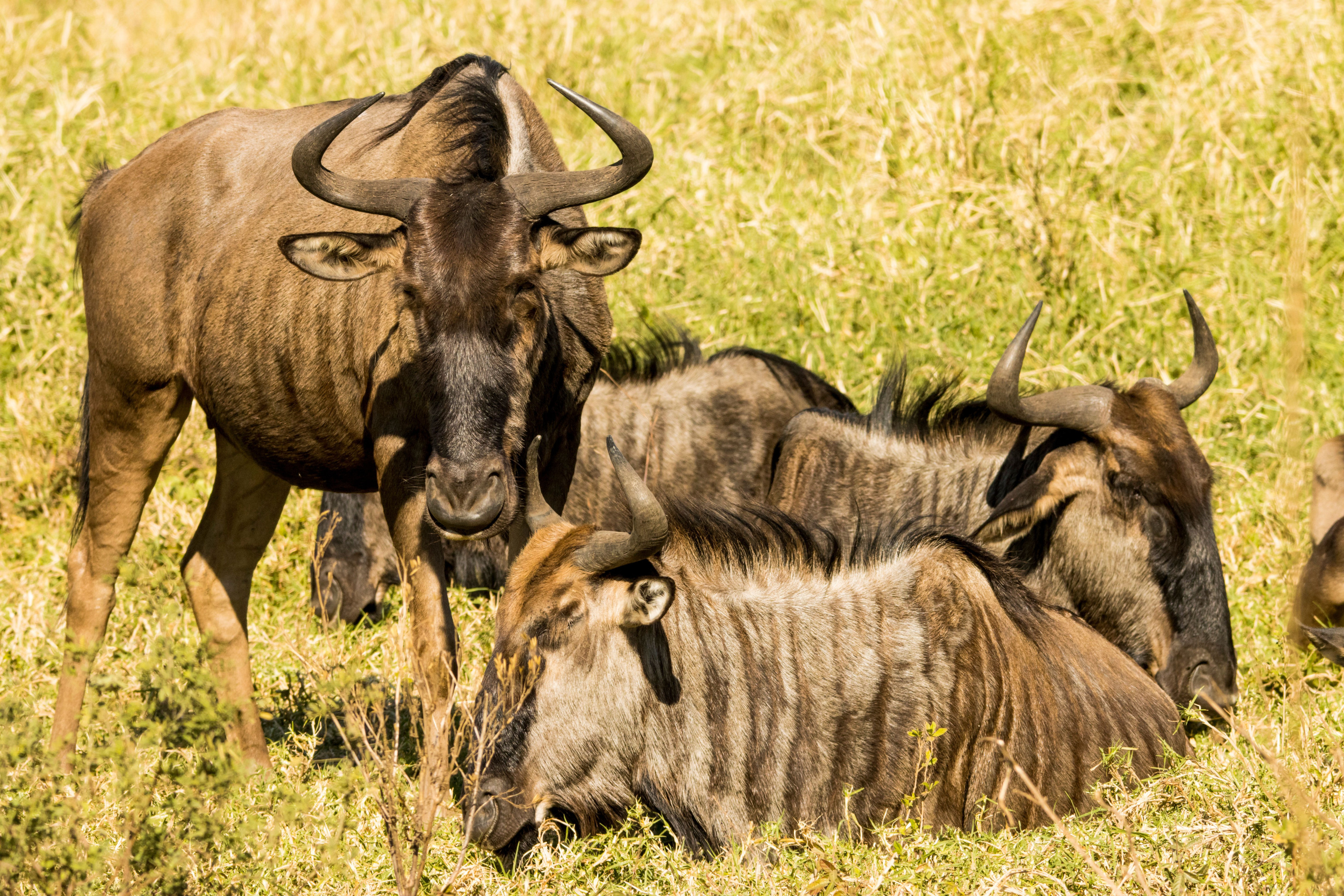
Tanzania has the biggest, most complete version of the classic safari: the Serengeti’s plains run into the Mara ecosystem and carry roughly two million wildebeest and zebra through a year-round migration loop, Ngorongoro Crater concentrates predators and prey into a single collapsed volcano, and Kilimanjaro rises from farmland to snow within sight of the plains below. All three are in the north, reachable from Arusha, and can be strung into a single ten-day loop.

The south is a different country in practice. Nyerere National Park (formerly the Selous) and Ruaha are larger than the northern parks combined, hold significant elephant and wild dog populations, and see a fraction of the visitors — no crowds at a sighting, but fewer roads and a longer flight in. Arusha National Park, small and close to town, works as a half-day add-on rather than a destination in its own right. Add Zanzibar, technically part of Tanzania and covered separately here, and a two-week trip can run from crater rim to coral reef.

The dry season from June to October is the reliable choice for the northern circuit, with the wildebeest calving season in the south of the Serengeti running January to March as a specialist alternative. Kilimanjaro can be climbed year-round, though the two dry windows (January–March and June–October) give the best summit odds. Ten to fourteen days is the practical minimum to do the north justice; add a week for the south or Zanzibar.

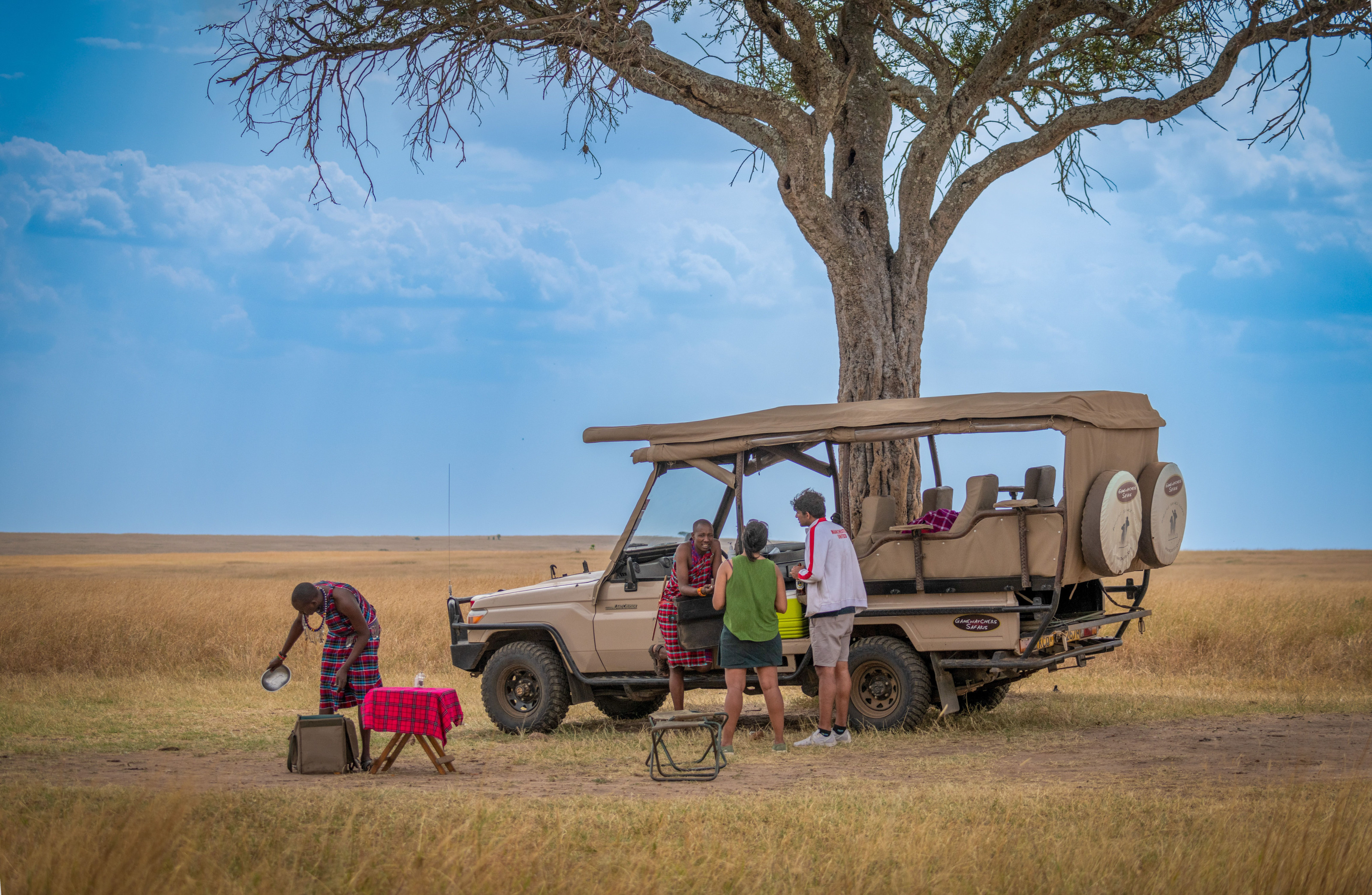
Tanzania’s northern circuit runs at a premium compared with Kenya’s equivalent parks, partly on conservation fees and partly on demand. Kilimanjaro International Airport serves the north directly; Dar es Salaam and Zanzibar’s own airport handle the south and the coast. Internal travel leans on light aircraft for the south and 4×4 vehicles for the north, where distances between parks are short enough to drive.

Tanzania rewards travellers willing to commit real time to it. A rushed five-day loop can technically tick off the Serengeti and Ngorongoro, but the country’s scale — plains that keep unrolling past the horizon, a mountain visible from three different parks — is better absorbed over ten days or more, with a night or two of complete stillness built in rather than a game drive scheduled into every waking hour.

Park fees and rules on the Tanzanian mainland are set by Tanzania National Parks (TANAPA).

Highlights

  • Great Wildebeest Migration across the Serengeti
  • Big Five game drives on the Ngorongoro Crater floor
  • Summit trekking on Mount Kilimanjaro
  • Tree-climbing lions at Lake Manyara
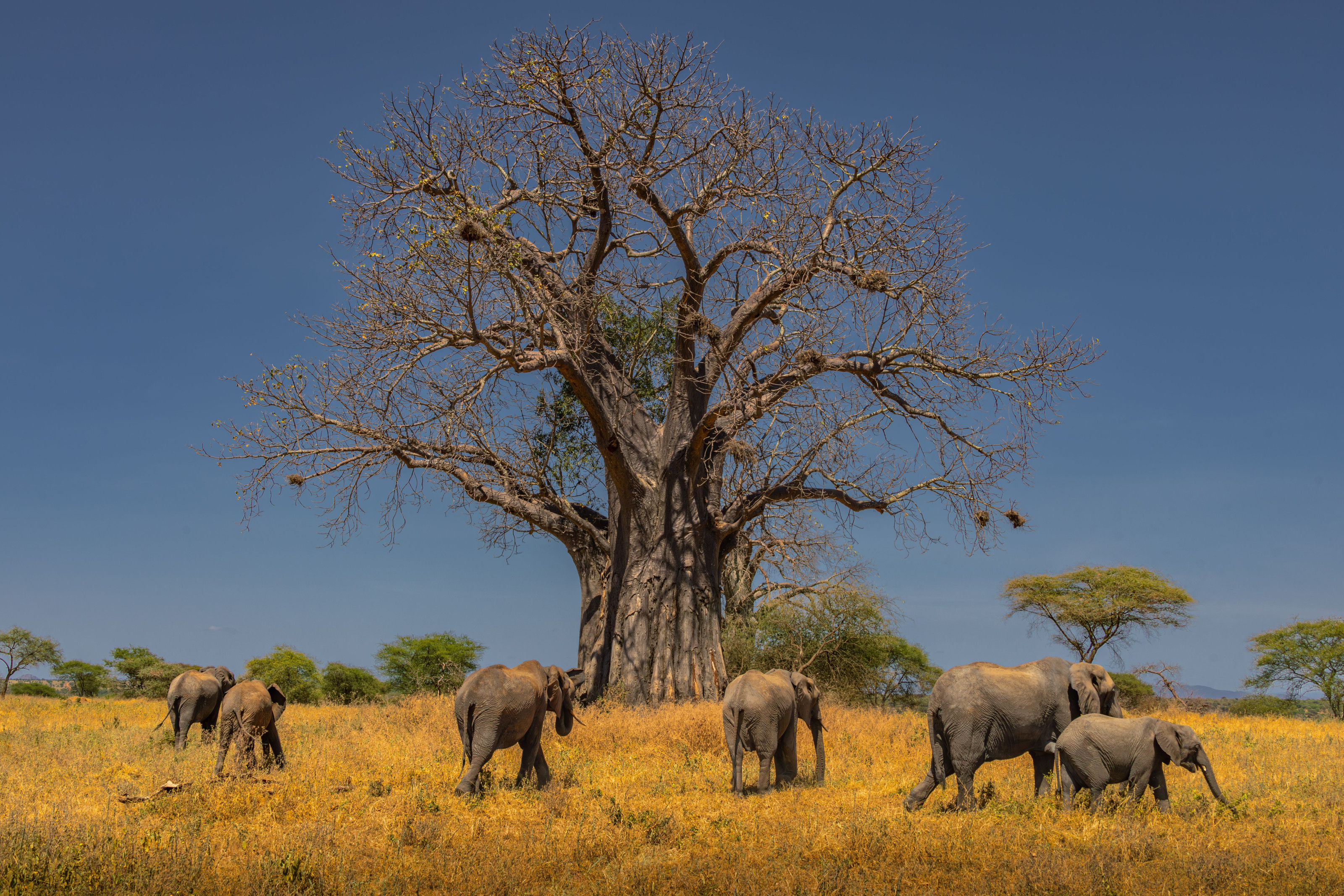
  • Elephant herds among the baobabs of Tarangire
  • Low-density game viewing in Ruaha and Nyerere
  • Spice tours and beach time on Zanzibar

{ 02 }

What You Are Likely to See

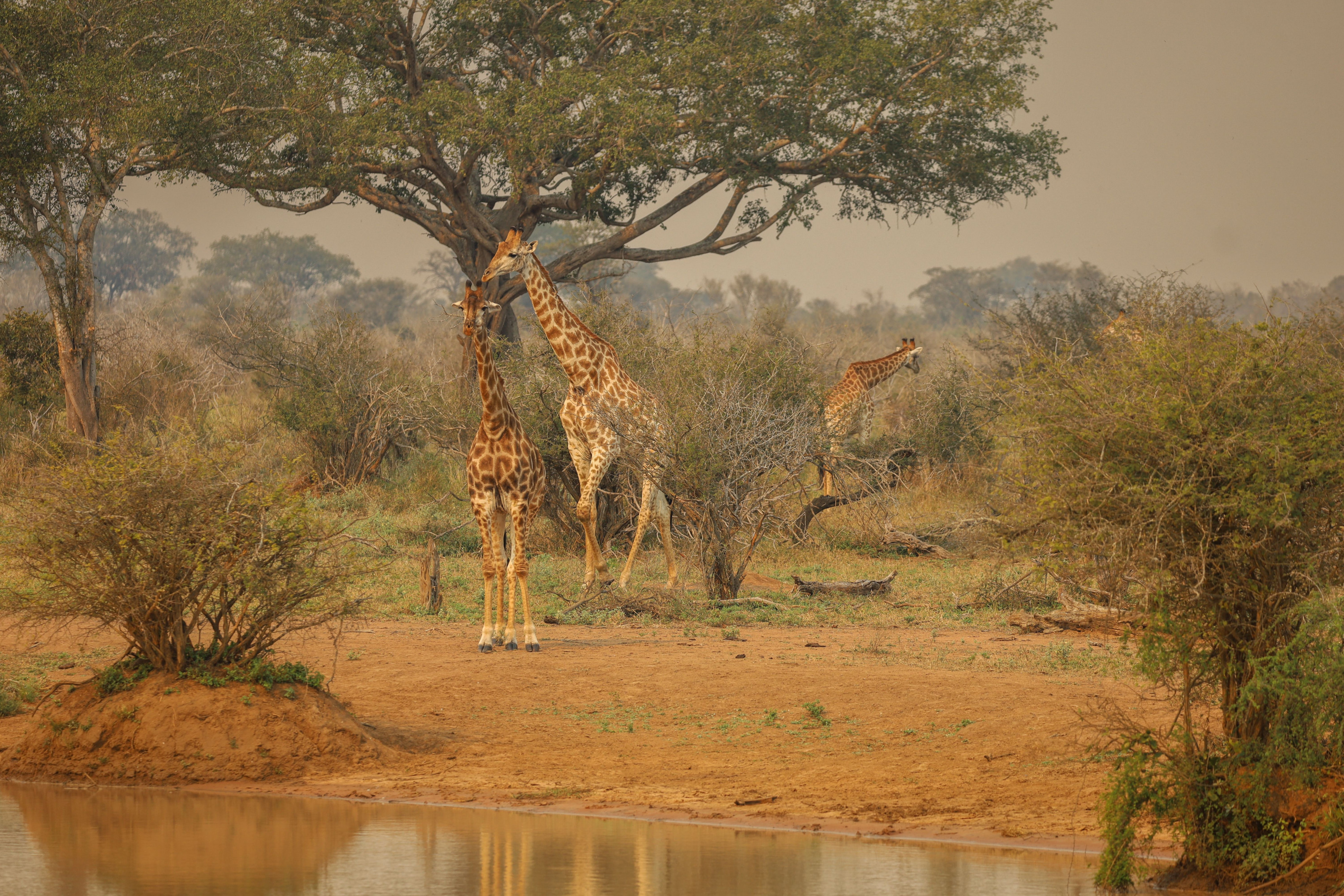
LionAfrican elephantLeopardCheetahBlack rhinoWildebeestCape buffaloTree-climbing lionAfrican wild dogHippopotamusGiraffeFlamingoSpotted hyena

{ 03 }

Facts and Seasons

Capital
Dodoma (seat of government); Dar es Salaam remains the commercial hub
Languages
Swahili and English (official)
Currency
Tanzanian shilling (TZS)
Visa
E-visa or visa on arrival for most nationalities (~$50 – 100)
Best months
June – October, plus January – March for calving season
Typical daily cost
$250 – 700 per person on the northern circuit; less in the south
Main gateways
Kilimanjaro International Airport (north), Dar es Salaam and Zanzibar (south and coast)

Season by season

June to October

Long dry season across the north. Grass is short, wildlife concentrates near permanent water, and the migration is somewhere in the western or northern Serengeti depending on the month.

January to March

Calving season in the southern Serengeti and Ndutu area, with predator action close to the newborn wildebeest. Also a good window for climbing Kilimanjaro.

April and May

The long rains. Many camps close, roads soften, and this is the cheapest and quietest time to travel for anyone prepared for daily downpours.

November and December

Short rains, generally brief, with the migration moving south into the Serengeti and Ndutu ahead of calving.

{ 04 }

Getting There

Kilimanjaro International Airport, between Arusha and Moshi, is the main gateway for the northern circuit and mountain climbs. Dar es Salaam's Julius Nyerere International Airport and Zanzibar's Abeid Amani Karume International Airport serve the south and the coast.

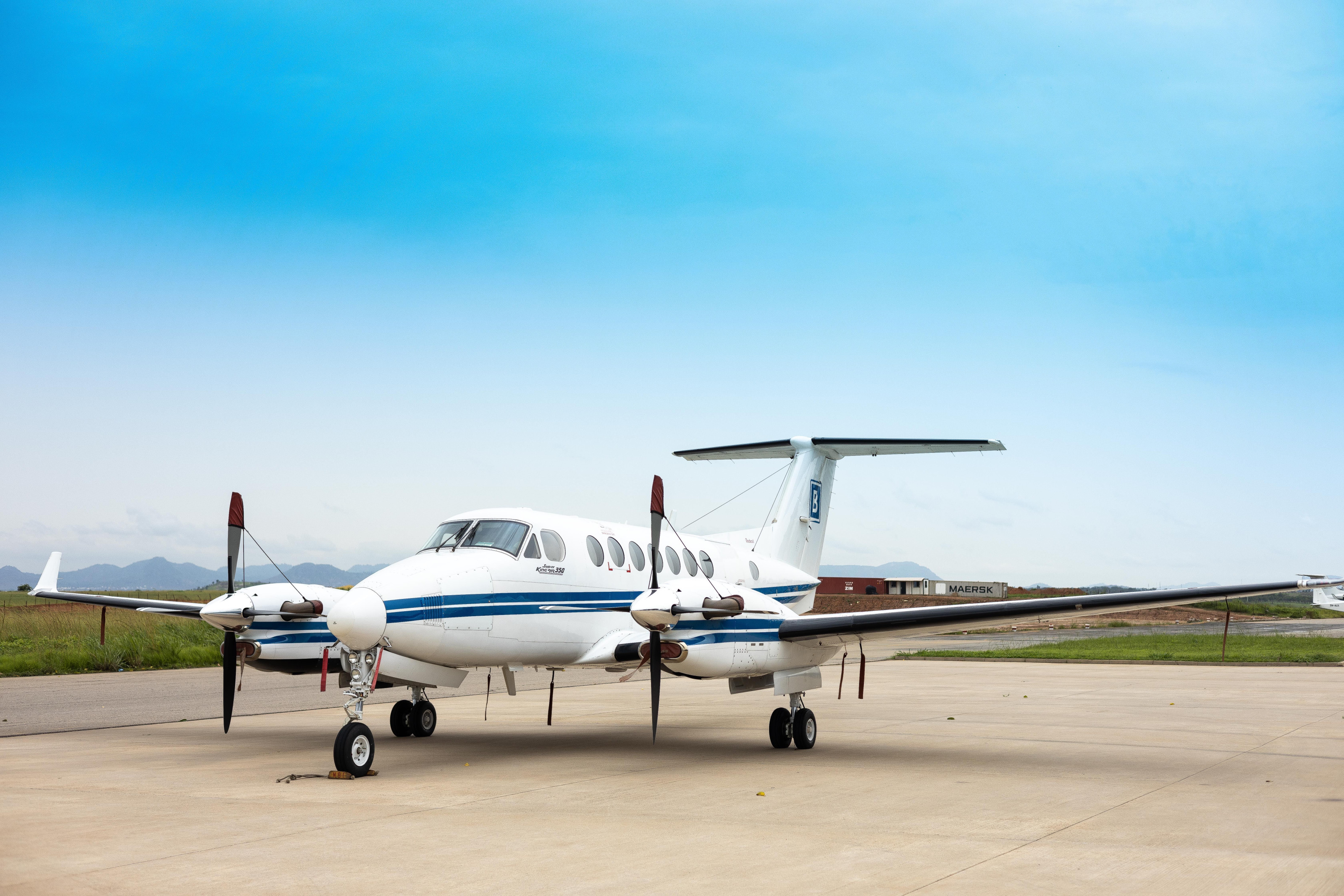
Within the north, distances between the Serengeti, Ngorongoro and Tarangire are short enough to drive; the southern parks and Zanzibar are usually reached by light aircraft.

{ Enquiry }

Plan this safari

A tailor-made safari

Tell us a little about your group and dates. A planner replies within one working day, and there is no deposit to enquire.